
Jurupa Valley became a city in 2011, joining older communities such as Rubidoux, Glen Avon, Pedley, Mira Loma and Indian Hills. Aimee Ghafouri helps investors find projects among its older homes and large lots. Call (951) 331-8453.
Short answer: Jurupa Valley has plenty of older homes at moderate prices, many on big lots. Unpermitted additions are the most common complication, so check records early.

Older Homes and Big Lots
Much of the housing dates from the 1950s through the 1980s, and many parcels are a half acre or more with animal-keeping zoning. Homes were expanded over the years by owners. Compare the square footage on record with what is standing before you price the deal.
Neighborhood Differences
Indian Hills and the newer tracts draw higher prices and need lighter work. Rubidoux and Glen Avon have older, more affordable homes. Heavy truck and warehouse traffic affects some streets, which matters to resale buyers.
How to Price a Fixer
Every flip is a subtraction problem. The finished value is set by what buyers recently paid for updated homes nearby. Take away the cost of the work, with a cushion for surprises behind the walls. Take away loan interest, property taxes, insurance and utilities for the holding period. Take away selling costs. The remainder has to cover both your purchase price and your profit. In Jurupa Valley, the hard part is the first number, because one renovated sale on a better street can mislead you. Ask Aimee for closed comparable sales before you write an offer.
Where Flip Opportunities Come From
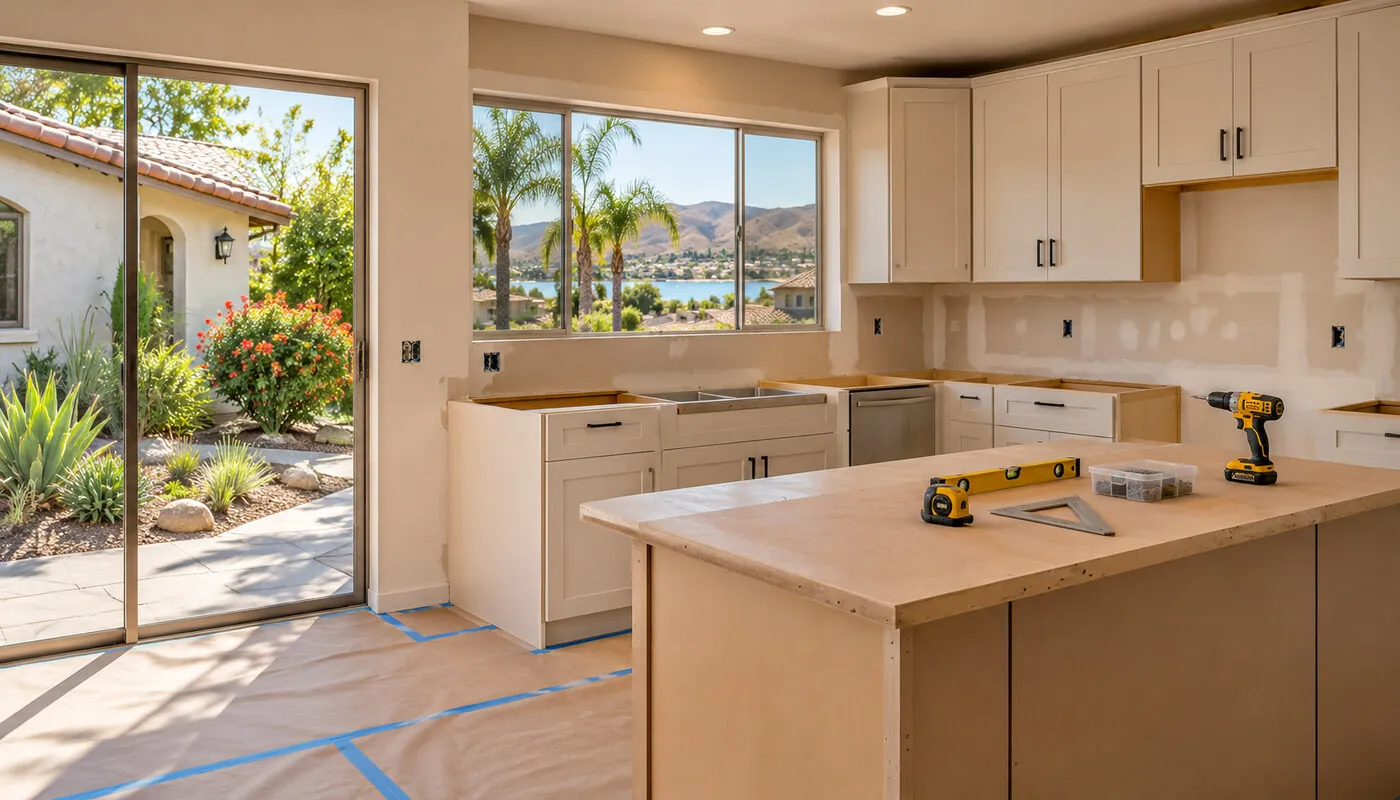
Fixers reach the market several ways. Some are listed on the MLS as needing work. Others come from probate and trust sales, where heirs want a clean sale of a dated home, from owners facing foreclosure, and from landlords selling a rental as-is. Trustee sales are another source, with their own risks: no inspection, payment in full and, on one-to-four unit homes, a post-sale period in which tenants and owner-occupant buyers may be able to outbid an investor. Aimee watches the Jurupa Valley market for homes with the right gap between purchase price and finished value and can represent you on the purchase and the resale.
Working With the City on Permits
Renovation permits for homes inside Jurupa Valley city limits are issued by the city. Ask the building counter for the permit record on the address before you remove contingencies. It shows what was built legally and what was not. Unpermitted additions can sometimes be legalized, but the city may require walls to be opened for inspection. As a rule, like-for-like cosmetic updates are exempt, while electrical, plumbing, mechanical, roofing and structural work needs a permit and a final inspection. A signed-off permit is also something you hand the next buyer under California’s flipper disclosure law.
Financing a Flip
Most distressed homes do not qualify for a standard mortgage, because lenders require working systems, a sound roof and a livable interior. Flippers typically pay cash or use a short-term loan from a private or hard-money lender, priced with upfront points and a higher interest rate, with renovation funds released in draws as work is completed. Add those costs to the budget for every month of the project. Sellers of fixers in Jurupa Valley favor buyers who can show proof of funds and close without a loan or appraisal contingency, and a clean offer often beats a higher one with conditions.
What You Must Disclose When You Resell
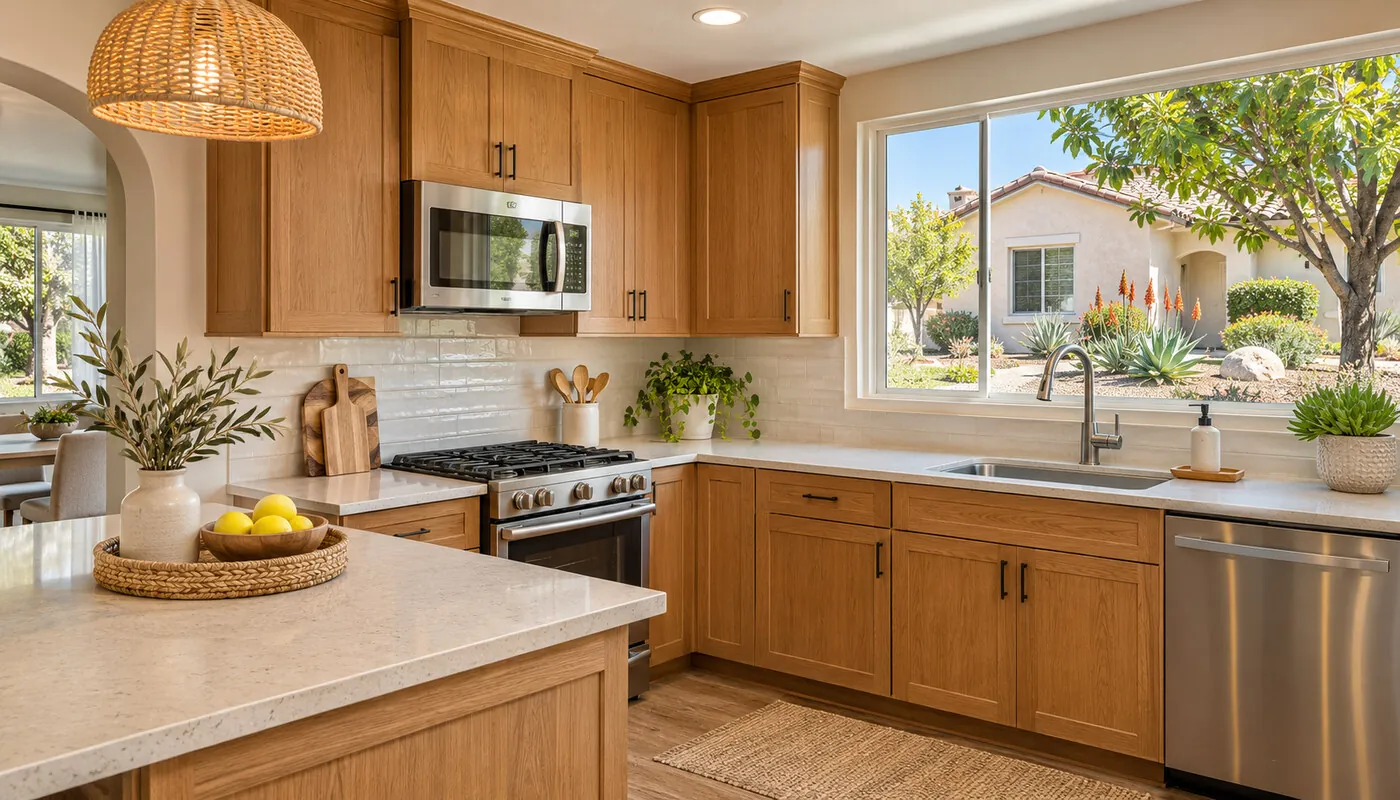
A flip is still a home sale, so the standard transfer disclosure statement and natural hazard report apply. On top of those, a law that took effect July 1, 2024 covers sellers who resell within 18 months of taking title. It requires a list of the repairs and renovations done during ownership, contact information for the contractors on the larger jobs and copies of permits. Buyers and their agents in Jurupa Valley now ask for this early. Work done without permits or by unlicensed crews has to be disclosed, which often costs more at resale than the permit would have.
Taxes on Flip Profits
Profit on a home bought and resold within a year is short-term gain, taxed at ordinary income rates by the IRS, and California taxes all gains as ordinary income regardless of holding period. Investors who flip regularly may be treated as dealers, which can add self-employment tax and rules out a 1031 exchange on that inventory. Entity choice, expense tracking and the timing of a sale all change the result. This is general information only. Talk with a CPA who works with real estate investors before your first Jurupa Valley project closes, not after.
More Investor Help in Jurupa Valley
- Buying rental property in Jurupa Valley
- Selling a Jurupa Valley house to an investor
- Jurupa Valley real estate and home values
Nearby Areas
Frequently Asked Questions
Are unpermitted additions common in Jurupa Valley?
They are found fairly often on older properties. The city can require them to be legalized or removed, so review the permit history.
Do Jurupa Valley homes have horse property zoning?
Many lots do, particularly in Mira Loma, Pedley and Glen Avon. Buyers looking for that will pay for usable land.
Do I need a real estate license to flip houses in California?
No. You can buy and resell property you own without a license. You do need licensed contractors for most of the work, and you must give the next buyer the required disclosures.
How long does a typical flip take in Jurupa Valley?
Light cosmetic projects can be bought, finished and resold in three to five months. Projects that need permits, structural work or HOA approval take longer. Build the timeline before you buy.
Looking for a Flip in Jurupa Valley?
Aimee Ghafouri is a real estate agent based in Temecula who grew up in Murrieta and works with buyers, sellers and investors across Riverside County. She can pull comparable sales and help you evaluate a project.
Aimee Ghafouri, 951 Properties, CAL DRE #02193341. This page is general information, not legal, tax or financial advice. Equal Housing Opportunity.