
Eastvale was built almost entirely after 2000 on former dairy land and became a city in 2010. Aimee Ghafouri helps investors judge whether an Eastvale purchase offers any renovation margin at all. Call (951) 331-8453.
Short answer: Eastvale has very few true fixers. Projects are cosmetic refreshes of newer tract homes, and they work only with a below-market purchase.

A City of Newer Tract Homes
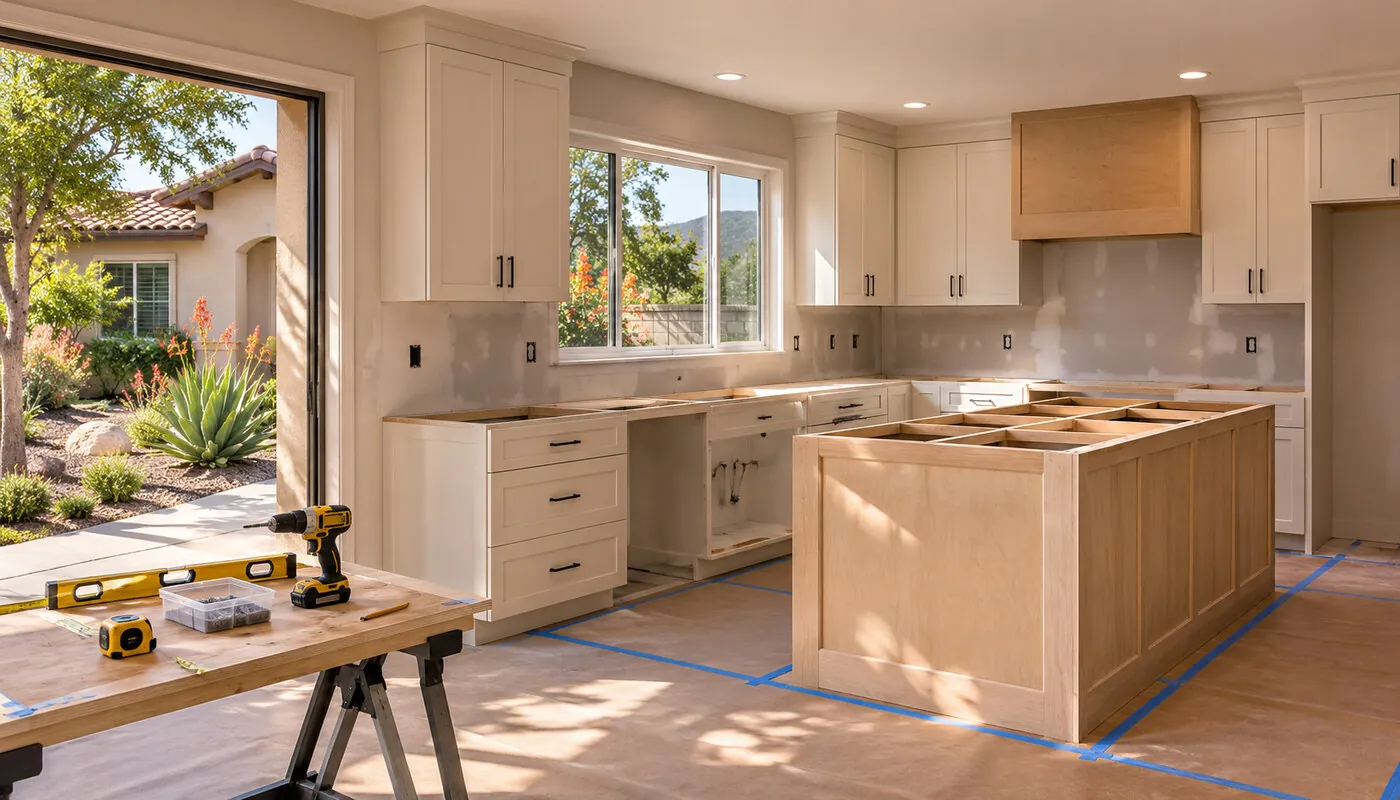
With nearly all housing under 25 years old, the common scope is paint, flooring, landscaping, appliances and an HVAC tune-up or replacement. Structural or plumbing problems are uncommon. High purchase prices mean more capital at risk for a small percentage return.
HOAs, Mello-Roos and Close Comparables
Most neighborhoods have an HOA and a Mello-Roos line on the tax bill. Because the same floor plans repeat, buyers and appraisers have exact comparables, which leaves little room to price above the last sale. Know that number before you buy.
Running the Numbers on a Eastvale Flip
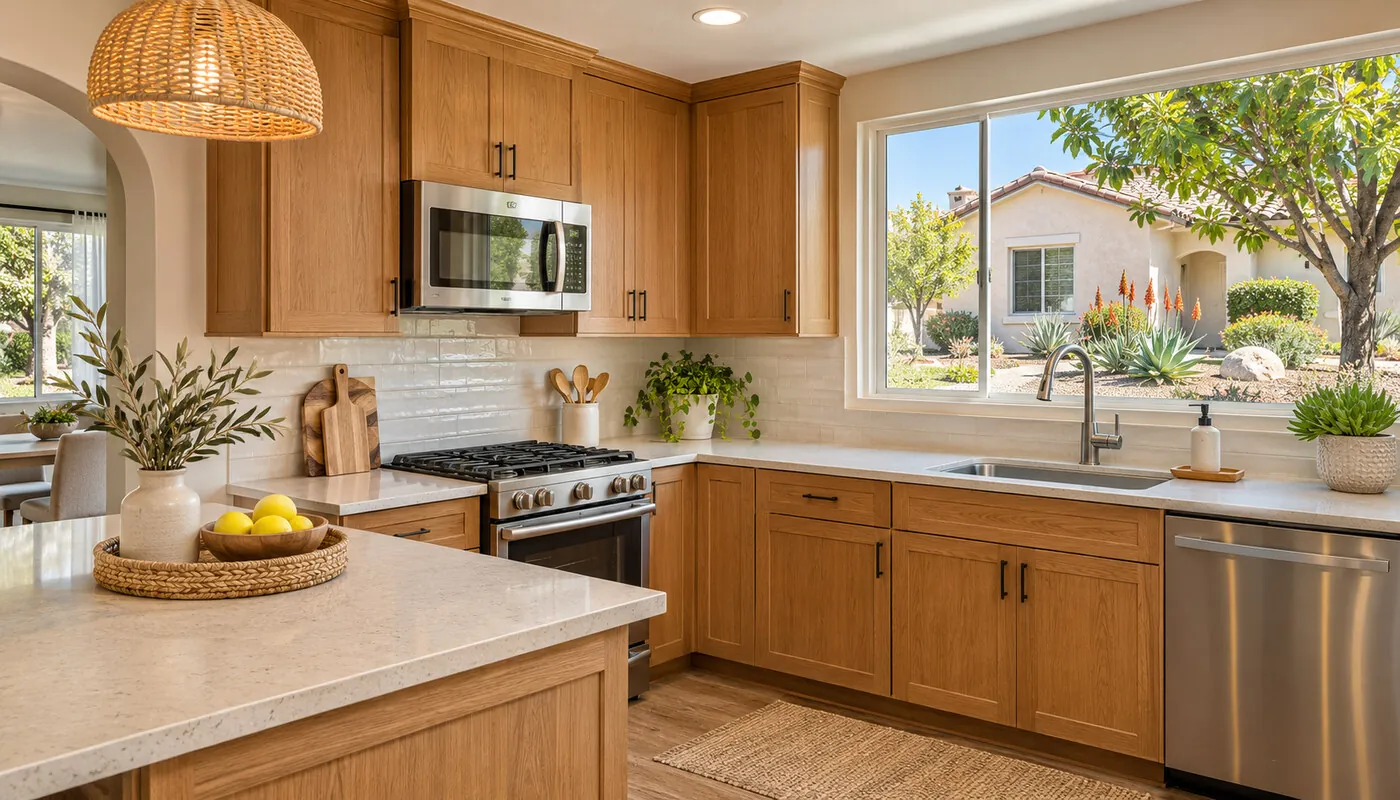
Start with the after-repair value, which comes from recent sales of renovated homes in the same tract or within a few blocks. From that number subtract the renovation budget, holding costs for the months you expect to own it, both sets of closing costs and the profit you need. What is left is the most you can pay. Many investors use 70 percent of after-repair value minus repairs as a quick screen, but it is only a screen. Aimee pulls the comparable sales for any Eastvale address so the top-line number rests on closed sales, not on asking prices.
Finding the Right Property
The best flip candidates are homes that are structurally sound and cosmetically tired, priced below updated neighbors by more than the cost of the work. In Eastvale they turn up as estate sales, long-held rentals, pre-foreclosures and listings that have gone stale because of condition. Auctions offer lower prices and higher risk, since buyers usually cannot inspect and state law gives certain tenants and owner-occupants a chance to bid after the sale. An agent who knows the area can flag listings early and tell you which streets support the resale price you need.
Permits in Eastvale
Eastvale is an incorporated city, so building permits and inspections go through the city’s building and safety department. Cosmetic work such as paint, flooring and cabinets generally needs no permit. New electrical circuits, moved plumbing, water heaters, HVAC replacements, roofing, window changes and anything structural generally do. Before closing, compare the home to the city’s permit history. Garage conversions, patio enclosures and added bathrooms built without permits are common finds in older homes, and the new owner inherits the problem. Budget time for plan review if the project involves more than like-for-like replacement.
Paying for the Purchase and the Work
Cash is the simplest way to buy a fixer, but many investors borrow. Private and hard-money lenders make short-term loans based mainly on the property and the plan. They charge points at closing and interest-only payments, and they usually hold back the renovation money until inspections confirm progress. Every extra month costs real money, so the schedule belongs in the budget. Line up the funding before you shop. In Eastvale, as elsewhere, the offer that wins a distressed property is usually the one with proof of funds, a short inspection period and no financing contingency.
HOA Rules and Mello-Roos
Many Eastvale neighborhoods have a homeowners association, and some have Mello-Roos or other special taxes on the bill. Read the HOA rules before buying. Exterior changes, including paint colors, landscaping, fencing and roofing materials, usually need written approval from an architectural committee, and that takes time. Ask the association for any open violations on the lot, since they pass to the new owner. Dues continue during the project. At resale the buyer’s lender counts dues and special taxes in the monthly payment, which affects how much the buyer can pay.
What You Must Disclose When You Resell
A flip is still a home sale, so the standard transfer disclosure statement and natural hazard report apply. On top of those, a law that took effect July 1, 2024 covers sellers who resell within 18 months of taking title. It requires a list of the repairs and renovations done during ownership, contact information for the contractors on the larger jobs and copies of permits. Buyers and their agents in Eastvale now ask for this early. Work done without permits or by unlicensed crews has to be disclosed, which often costs more at resale than the permit would have.
More Investor Help in Eastvale
- Buying rental property in Eastvale
- Selling a Eastvale house to an investor
- Eastvale real estate and home values
Nearby Areas
Frequently Asked Questions
Why are flips rare in Eastvale?
The homes are too new to need major work, so the difference between as-is and finished value is usually small.
What could make an Eastvale flip work?
A distressed sale, such as a foreclosure, estate or neglected rental, bought well under market and needing only cosmetic work.
Can Aimee represent me on both the purchase and the resale?
Yes. She works with investors on acquisitions and lists finished projects, which keeps the pricing plan consistent from the first offer to the final sale.
Do I need a real estate license to flip houses in California?
No. You can buy and resell property you own without a license. You do need licensed contractors for most of the work, and you must give the next buyer the required disclosures.
Looking for a Flip in Eastvale?
Aimee Ghafouri is a real estate agent based in Temecula who grew up in Murrieta and works with buyers, sellers and investors across Riverside County. She can pull comparable sales and help you evaluate a project.
Aimee Ghafouri, 951 Properties, CAL DRE #02193341. This page is general information, not legal, tax or financial advice. Equal Housing Opportunity.