
Riverside’s older neighborhoods give investors plenty to work with, and owners there get frequent cash offers. Aimee Ghafouri helps Riverside sellers compare those offers with an open-market sale. Call (951) 331-8453.
Short answer: Riverside has a deep pool of investors for older homes, duplexes and small apartment buildings. Competition among them usually helps the seller, and the city’s transfer tax is higher.

Older Homes and Multi-Unit Properties
Houses from the early and mid-1900s with dated wiring, plumbing or foundations, and small rental buildings with long-term tenants, are common investor purchases. Homes in historic districts interest buyers who know the city’s review process. Tenant-occupied buildings sell with leases in place.
Costs Specific to the City
Sales inside the City of Riverside pay documentary transfer tax at $1.10 per $500 of price, twice the county rate elsewhere. Sellers of rental property are also subject to state tax withholding unless exempt. Have escrow show both on your estimated settlement statement.
What to Expect From a Cash Investor
Investors make money by buying below finished value, improving the property and reselling or renting it. In exchange for the lower price they offer speed and certainty: no lender, no appraisal, no repair requests and a closing date that fits your schedule. A typical investor purchase in Riverside closes in a few weeks through a normal escrow and title company. You should still receive a written contract, an earnest money deposit held by escrow and a settlement statement showing every dollar. If any of those are missing, slow down.
Investor Offer or Open-Market Listing?
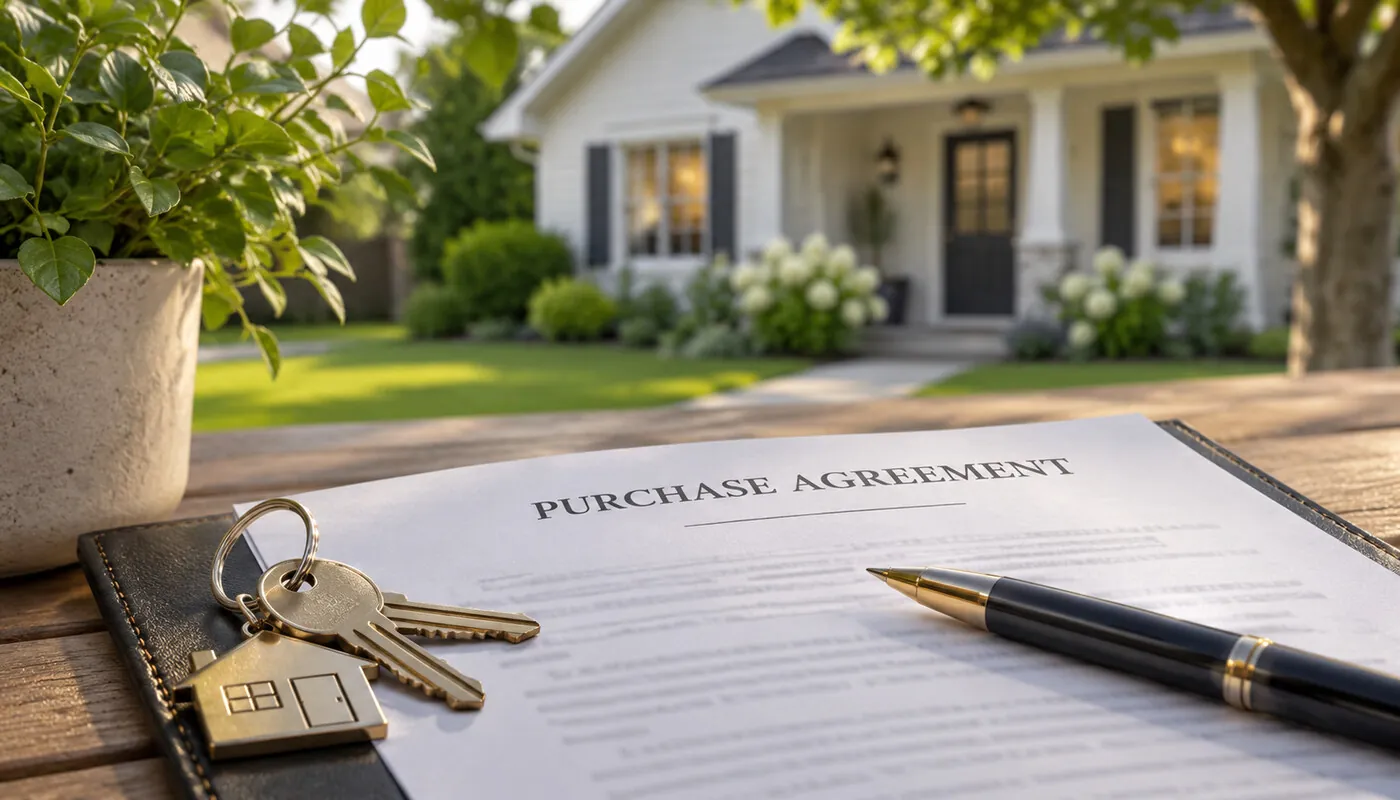
Selling to an investor makes the most sense when the home needs major repairs, when a deadline such as a foreclosure date or a relocation is close, or when the property is occupied and hard to show. A traditional listing usually nets more when the home is in fair condition and you have a month or two. The honest way to choose is side by side: the investor’s price minus closing costs, against a realistic list price minus repairs, commissions, closing costs and the cost of carrying the home while it sells. Aimee can prepare that comparison for a Riverside home.
Protecting Yourself in an Investor Sale
A few checks separate a solid buyer from a risky one. Ask for recent proof of funds and the name of the escrow and title company. Look at how long the buyer has to inspect and whether the contract lets them cancel for any reason or assign it to another party. Confirm in writing who pays which closing costs. Be cautious of pressure to sign the same day. In Riverside and elsewhere, reputable investors are comfortable with a seller taking a few days to review an offer with an agent or attorney.
Selling With Tenants or Other Occupants
Investors will usually buy a home that is occupied, which is one reason landlords and heirs call them. If a tenant has a lease, it transfers to the buyer. If relatives or unauthorized occupants are in the home, an investor may still purchase and take on the removal, at a lower price. You can also negotiate to stay after closing for a set period under a written rent-back. Related guides cover selling a tenant-occupied home in Riverside and selling a house with squatters in Riverside.
Special Rules for Homes in Default
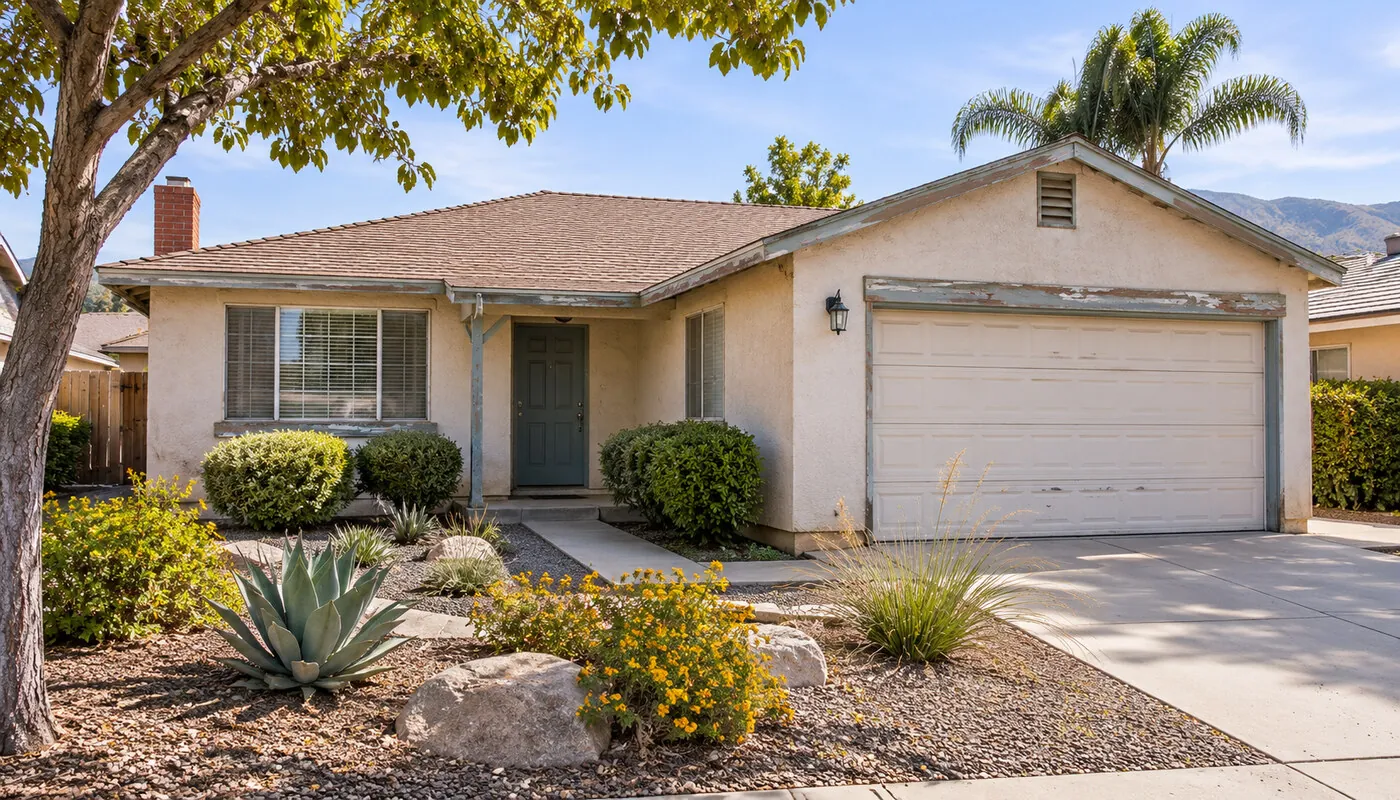
Owners behind on payments are often contacted by buyers the day a notice of default is recorded. State law regulates those purchases. When an owner-occupied home in foreclosure is sold to an investor, the contract must follow the Home Equity Sales Contract Act and include a right to cancel that lasts five business days, or until 8 a.m. on the auction date if that is sooner. No deed may be signed during that window. An investor sale can still be a good way to save equity before an auction. See selling a Riverside house before foreclosure.
A Typical Timeline
Most investor sales follow the same sequence. You receive a written offer and review it, ideally with more than one offer in hand. After signing, the buyer deposits earnest money with escrow within a few days and inspects the property. Escrow orders a title report and payoff figures. You complete disclosures and sign closing documents with a notary. On the closing date the deed records with Riverside County and the proceeds are wired to you. From accepted offer to closing commonly takes two to four weeks for a Riverside home, depending on title issues and how quickly payoffs arrive.
More Seller Help in Riverside
- Riverside real estate and home values
- Selling a Riverside house before foreclosure
- Selling an inherited or probate home in Riverside
- Selling a house during divorce in Riverside
- Selling a tenant-occupied home in Riverside
Nearby Areas
Frequently Asked Questions
Do investors buy duplexes and fourplexes in Riverside?
Yes, actively. They usually buy with tenants in place and review leases and rent history during escrow.
Will a historic district designation lower my offers?
Not necessarily. Some investors specialize in historic homes. Others avoid the extra review, so reach the right buyers.
Will I pay a commission if I sell to an investor?
That depends on how the sale is arranged. Ask for a net sheet that shows the price and every cost, so you can compare offers by what you actually receive.
How fast can an investor close on my Riverside house?
Two to three weeks is common when title is clear, and some close sooner. The date can also be set later if you need time to move.
Have an Investor Offer on a Riverside Home?
Aimee Ghafouri is a real estate agent based in Temecula who grew up in Murrieta and is licensed throughout California. She can review the offer and show you what the open market would likely pay.
Aimee Ghafouri, 951 Properties, CAL DRE #02193341. This page is general information, not legal, tax or financial advice. Equal Housing Opportunity.