
Corona’s high home values mean the gap between an investor’s offer and the open market can be large in dollars. Aimee Ghafouri helps owners measure it before they sign. Call (951) 331-8453.
Short answer: Corona homes in sellable condition usually net far more when listed. Investors make sense for older central Corona houses with major repairs or for urgent sales.

Where Investors Buy in Corona
Flippers focus on older homes around the Grand Boulevard circle and mid-century tracts, where renovated houses command strong prices from commuters. Homes with foundation, plumbing or electrical problems, or with unpermitted additions, are their typical purchases.
Think in Dollars
A discount of even ten percent is a large sum at Corona prices. Before accepting a cash offer, ask what the home would sell for as-is on the open market, where several investors and some owner-occupants would compete. The difference often exceeds the cost of listing.
What to Expect From a Cash Investor
Investors make money by buying below finished value, improving the property and reselling or renting it. In exchange for the lower price they offer speed and certainty: no lender, no appraisal, no repair requests and a closing date that fits your schedule. A typical investor purchase in Corona closes in a few weeks through a normal escrow and title company. You should still receive a written contract, an earnest money deposit held by escrow and a settlement statement showing every dollar. If any of those are missing, slow down.
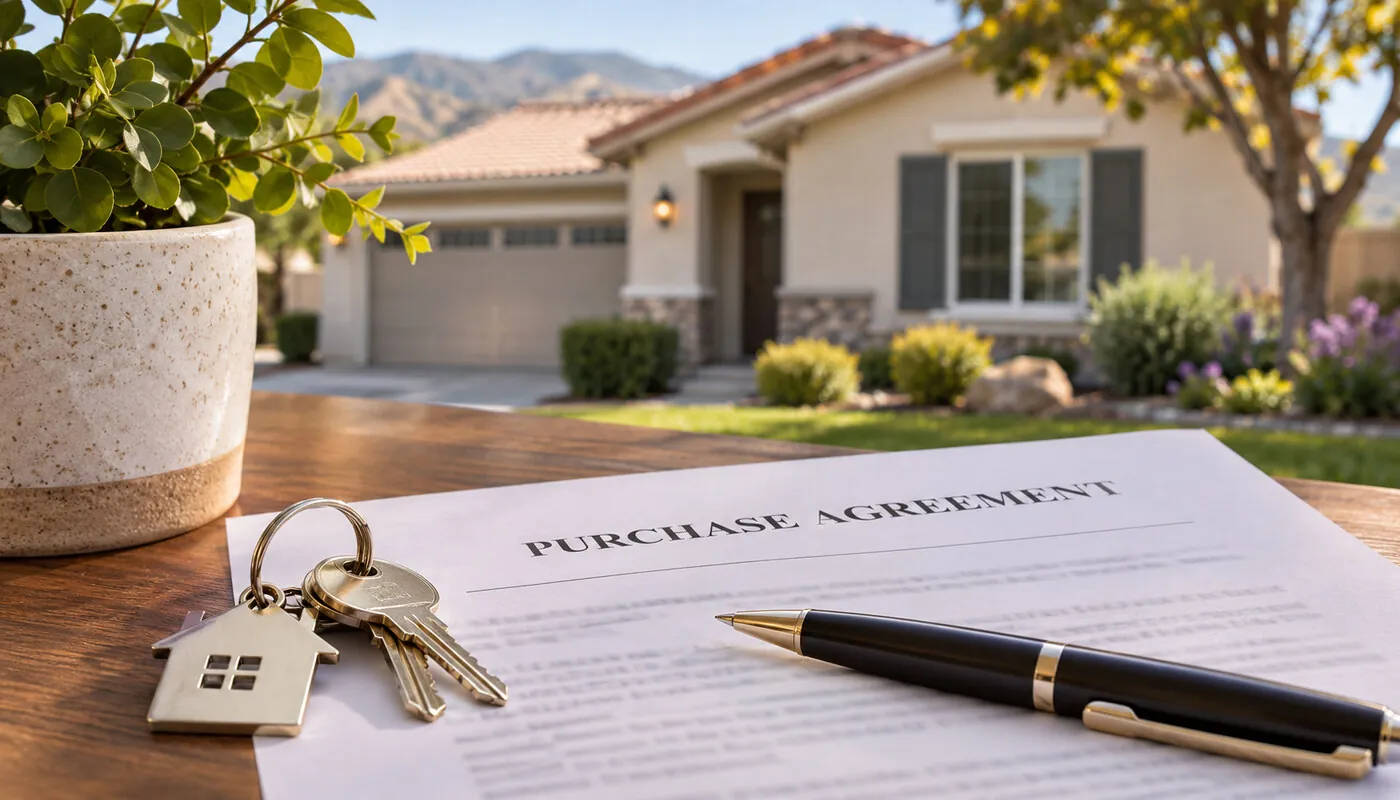
Investor Offer or Open-Market Listing?
Selling to an investor makes the most sense when the home needs major repairs, when a deadline such as a foreclosure date or a relocation is close, or when the property is occupied and hard to show. A traditional listing usually nets more when the home is in fair condition and you have a month or two. The honest way to choose is side by side: the investor’s price minus closing costs, against a realistic list price minus repairs, commissions, closing costs and the cost of carrying the home while it sells. Aimee can prepare that comparison for a Corona home.
Protecting Yourself in an Investor Sale
A few checks separate a solid buyer from a risky one. Ask for recent proof of funds and the name of the escrow and title company. Look at how long the buyer has to inspect and whether the contract lets them cancel for any reason or assign it to another party. Confirm in writing who pays which closing costs. Be cautious of pressure to sign the same day. In Corona and elsewhere, reputable investors are comfortable with a seller taking a few days to review an offer with an agent or attorney.
How Aimee Helps With an Investor Sale
Aimee Ghafouri represents sellers, which means her job is your net proceeds, not the buyer’s margin. She can present your Corona property to investors active in the area, collect offers on the same terms and check proof of funds and contract language. She also prices the open-market alternative so you can see both numbers. Sellers who have already received an investor offer can ask her to review it. If the offer is fair for the condition and timeline, she will say so. If listing would likely net more, she will show the comparable sales.
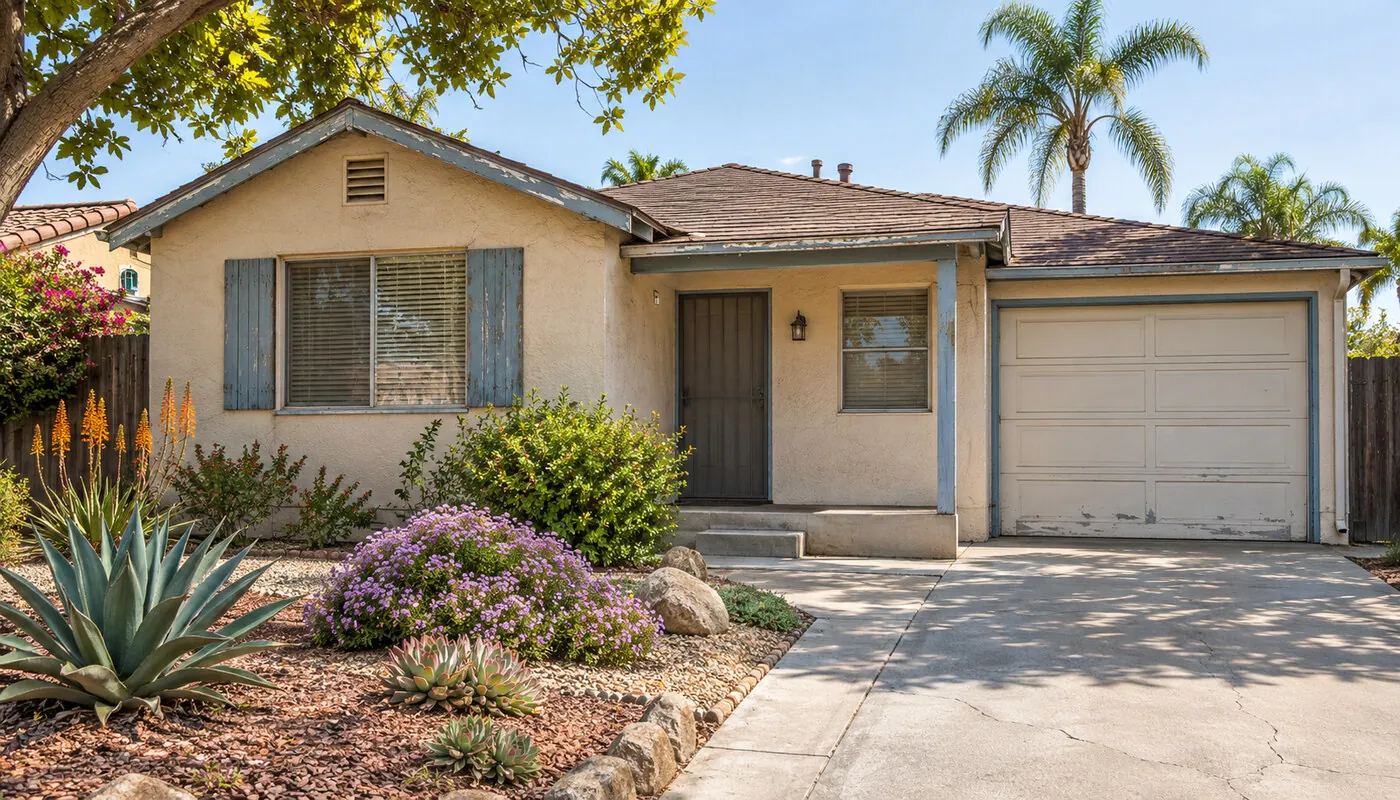
When the Home Is Not Vacant
An occupied property is harder to show and finance, so the buyers are often investors. A tenant under a lease stays in place after closing and becomes the buyer’s tenant. Occupants without a lease are a larger discount, since the buyer has to go through the legal process. Owners who need time to move can ask for possession after closing in writing. Each situation changes the price, so explain it fully when requesting offers. See selling a tenant-occupied home in Corona or selling a house with squatters in Corona.
If the Home Is Already in Foreclosure
California gives extra protection to owners who sell their own residence after a notice of default has been recorded. Under the Home Equity Sales Contract Act, an investor buying in that situation must use a written contract with specific terms and notices, and the owner may cancel until midnight of the fifth business day after signing or 8 a.m. on the day of the foreclosure sale, whichever comes first. The buyer cannot take a deed or pay you until that period ends. More on timing and options is on our page about selling a Corona house before foreclosure.
More Seller Help in Corona
- Corona real estate and home values
- Selling a Corona house before foreclosure
- Selling an inherited or probate home in Corona
- Selling a house during divorce in Corona
- Selling a tenant-occupied home in Corona
Nearby Areas
Frequently Asked Questions
Is it worth listing a Corona fixer instead of taking a cash offer?
Often. Exposure to many buyers tends to raise the price, even for homes sold as-is.
Do investors buy newer homes in South Corona?
Sometimes, usually as rentals or when a home has damage. They pay less than regular buyers for homes in good condition.
Will I pay a commission if I sell to an investor?
That depends on how the sale is arranged. Ask for a net sheet that shows the price and every cost, so you can compare offers by what you actually receive.
How fast can an investor close on my Corona house?
Two to three weeks is common when title is clear, and some close sooner. The date can also be set later if you need time to move.
Have an Investor Offer on a Corona Home?
Aimee Ghafouri is a real estate agent based in Temecula who grew up in Murrieta and is licensed throughout California. She can review the offer and show you what the open market would likely pay.
Aimee Ghafouri, 951 Properties, CAL DRE #02193341. This page is general information, not legal, tax or financial advice. Equal Housing Opportunity.