
Lakeland Village is an unincorporated community along Grand Avenue on the south shore of Lake Elsinore, with cottages, manufactured homes and newer infill houses. Aimee Ghafouri helps investors check flood, permit and title issues there. Call (951) 331-8453.
Short answer: Lakeland Village offers low-priced older homes near the lake. Flood zones, septic systems and unpermitted work are common and need to be priced in.

Older Cottages and Infill
Many houses started as weekend cabins and were enlarged over the years. Lots are often small or irregular. Check foundations, wiring and plumbing, and compare the building with county records. Newer infill homes on the same streets show what finished properties sell for.
Flood Zones and Utilities
Parcels close to the shoreline may sit in a mapped flood hazard area, which triggers lender-required flood insurance for the next buyer. Some homes are on septic. Confirm sewer availability, flood status and legal access before closing.
Running the Numbers on a Lakeland Village Flip
Start with the after-repair value, which comes from recent sales of renovated homes in the same tract or within a few blocks. From that number subtract the renovation budget, holding costs for the months you expect to own it, both sets of closing costs and the profit you need. What is left is the most you can pay. Many investors use 70 percent of after-repair value minus repairs as a quick screen, but it is only a screen. Aimee pulls the comparable sales for any Lakeland Village address so the top-line number rests on closed sales, not on asking prices.
Working With the County on Permits
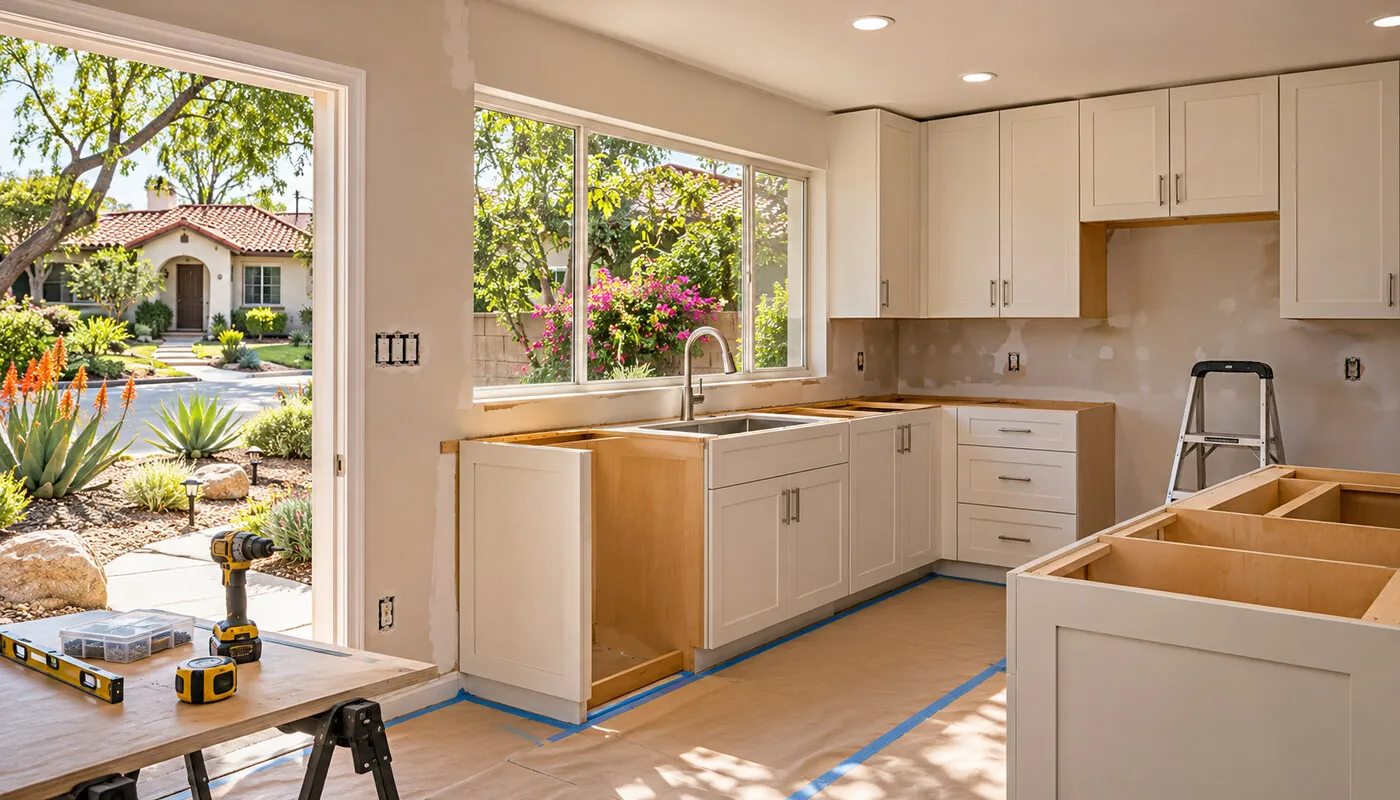
Because Lakeland Village is not an incorporated city, Riverside County issues the permits. Ask the county for the permit record on the parcel before you remove contingencies. It shows which structures were built legally. Unpermitted rooms, patio covers and second units can sometimes be legalized, but the county may require work to be exposed for inspection or brought up to current code. Like-for-like cosmetic updates are generally exempt. Electrical, plumbing, mechanical, roofing and structural changes need permits and final sign-off, and those signed permits are what you hand the next buyer under the flipper disclosure law.
Renovations That Pay
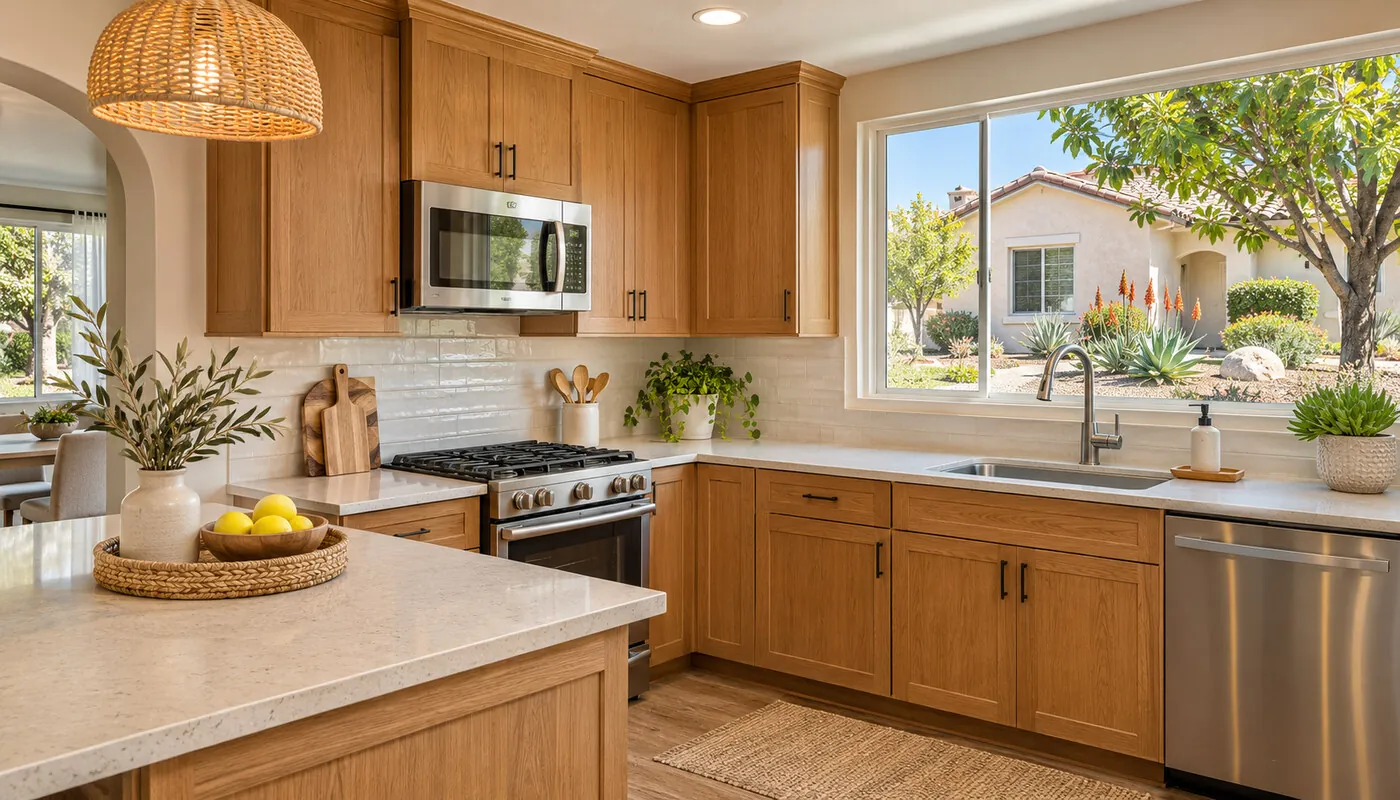
Buyers pay for homes that feel finished and worry-free. Kitchens, bathrooms, flooring, paint and lighting carry most of the visible value. In Riverside County’s heat, a working, efficient air conditioning system and a sound roof matter as much as countertops, and inspectors check both. Fix what a lender’s appraiser or a buyer’s inspector will flag: electrical hazards, leaks, damaged stucco and failed windows. Avoid improving past the ceiling for the street. A Lakeland Village home finished far above its neighbors rarely recovers the extra cost, while one that matches the best recent sale usually does.
Paying for the Purchase and the Work
Cash is the simplest way to buy a fixer, but many investors borrow. Private and hard-money lenders make short-term loans based mainly on the property and the plan. They charge points at closing and interest-only payments, and they usually hold back the renovation money until inspections confirm progress. Every extra month costs real money, so the schedule belongs in the budget. Line up the funding before you shop. In Lakeland Village, as elsewhere, the offer that wins a distressed property is usually the one with proof of funds, a short inspection period and no financing contingency.
Holding Costs and Property Taxes
The purchase resets the assessed value to roughly your price, and the county sends a supplemental tax bill for the difference. Check the current bill for special assessments or Mello-Roos charges, which continue while you own the home and affect what the next buyer can afford. Insure the property with a policy written for a vacant home under renovation, since standard homeowner policies often exclude it. Add utilities, yard care and any HOA dues. At resale, the county transfer tax is $1.10 per $1,000 of price. A project that runs two months long can lose its margin to these line items.
What You Must Disclose When You Resell
A flip is still a home sale, so the standard transfer disclosure statement and natural hazard report apply. On top of those, a law that took effect July 1, 2024 covers sellers who resell within 18 months of taking title. It requires a list of the repairs and renovations done during ownership, contact information for the contractors on the larger jobs and copies of permits. Buyers and their agents in Lakeland Village now ask for this early. Work done without permits or by unlicensed crews has to be disclosed, which often costs more at resale than the permit would have.
More Investor Help in Lakeland Village
- Buying rental property in Lakeland Village
- Selling a Lakeland Village house to an investor
- Lakeland Village real estate and home values
Nearby Areas
Frequently Asked Questions
Is Lakeland Village part of Lake Elsinore?
No. It is unincorporated, with Lake Elsinore mailing addresses. Riverside County issues permits.
Do homes near the lake need flood insurance?
Those in mapped flood zones do when the buyer has a mortgage. Check the flood map for the parcel.
How long does a typical flip take in Lakeland Village?
Light cosmetic projects can be bought, finished and resold in three to five months. Projects that need permits, structural work or HOA approval take longer. Build the timeline before you buy.
Can Aimee represent me on both the purchase and the resale?
Yes. She works with investors on acquisitions and lists finished projects, which keeps the pricing plan consistent from the first offer to the final sale.
Looking for a Flip in Lakeland Village?
Aimee Ghafouri is a real estate agent based in Temecula who grew up in Murrieta and works with buyers, sellers and investors across Riverside County. She can pull comparable sales and help you evaluate a project.
Aimee Ghafouri, 951 Properties, CAL DRE #02193341. This page is general information, not legal, tax or financial advice. Equal Housing Opportunity.