
El Cerrito is a small unincorporated pocket beside Corona along Interstate 15, with older homes on larger and often irregular lots. Aimee Ghafouri helps investors assess El Cerrito properties against nearby Corona sales. Call (951) 331-8453.
Short answer: El Cerrito offers older houses on bigger lots at prices below much of Corona. County permitting, septic systems and unpermitted structures are the main issues to check.

Older Homes on Large Lots
Housing here was built over many decades, and no two streets look alike. Lots often allow animals, workshops and parking for vehicles and trailers. Renovated homes appeal to buyers who want a Corona-area location without an HOA.
County Rules, Corona Comparables
Because El Cerrito is unincorporated, the county handles permits and code enforcement. Buyers and appraisers will still compare your finished house with Corona sales nearby, adjusted for lot size and for the lack of sidewalks, sewer or other city services on some streets.
Running the Numbers on a El Cerrito Flip
Start with the after-repair value, which comes from recent sales of renovated homes in the same tract or within a few blocks. From that number subtract the renovation budget, holding costs for the months you expect to own it, both sets of closing costs and the profit you need. What is left is the most you can pay. Many investors use 70 percent of after-repair value minus repairs as a quick screen, but it is only a screen. Aimee pulls the comparable sales for any El Cerrito address so the top-line number rests on closed sales, not on asking prices.
Working With the County on Permits
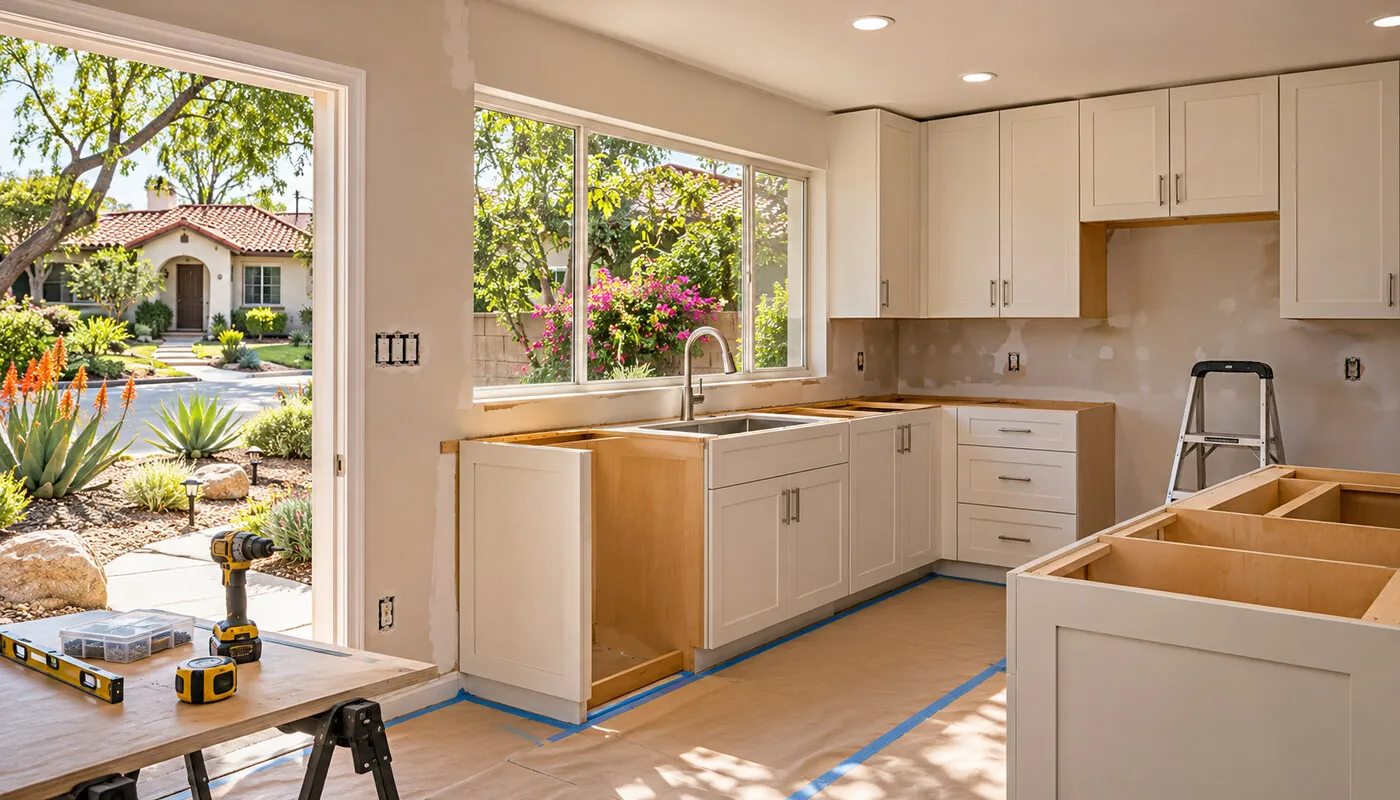
Because El Cerrito is not an incorporated city, Riverside County issues the permits. Ask the county for the permit record on the parcel before you remove contingencies. It shows which structures were built legally. Unpermitted rooms, patio covers and second units can sometimes be legalized, but the county may require work to be exposed for inspection or brought up to current code. Like-for-like cosmetic updates are generally exempt. Electrical, plumbing, mechanical, roofing and structural changes need permits and final sign-off, and those signed permits are what you hand the next buyer under the flipper disclosure law.
Hiring Contractors
California requires a contractor’s license for any job that totals $1,000 or more in labor and materials, and for any job that needs a permit or uses hired workers. Look up every license on the Contractors State License Board website and confirm workers’ compensation coverage. Get the scope, price and payment schedule in writing. State law limits down payments on home improvement contracts to $1,000 or 10 percent of the price, whichever is less. An unlicensed crew may be cheaper on paper, but the work must be disclosed at resale and the owner can be liable for injuries on the job.
What It Costs to Own the Home While You Work
Holding costs are quiet and constant. Property tax is reassessed to the purchase price, with a supplemental bill arriving months later. Vacant homes need a specific insurance policy. Power and water stay on for the crews. HOA dues and any Mello-Roos or assessment district charges keep running. Loan interest accrues daily. Then come resale costs: escrow, title, commissions and county transfer tax of $1.10 per $1,000. Build a month-by-month sheet for the El Cerrito property before you buy and stress it by sixty days. If the profit disappears, the price is too high.
California’s Flipper Disclosure Rule
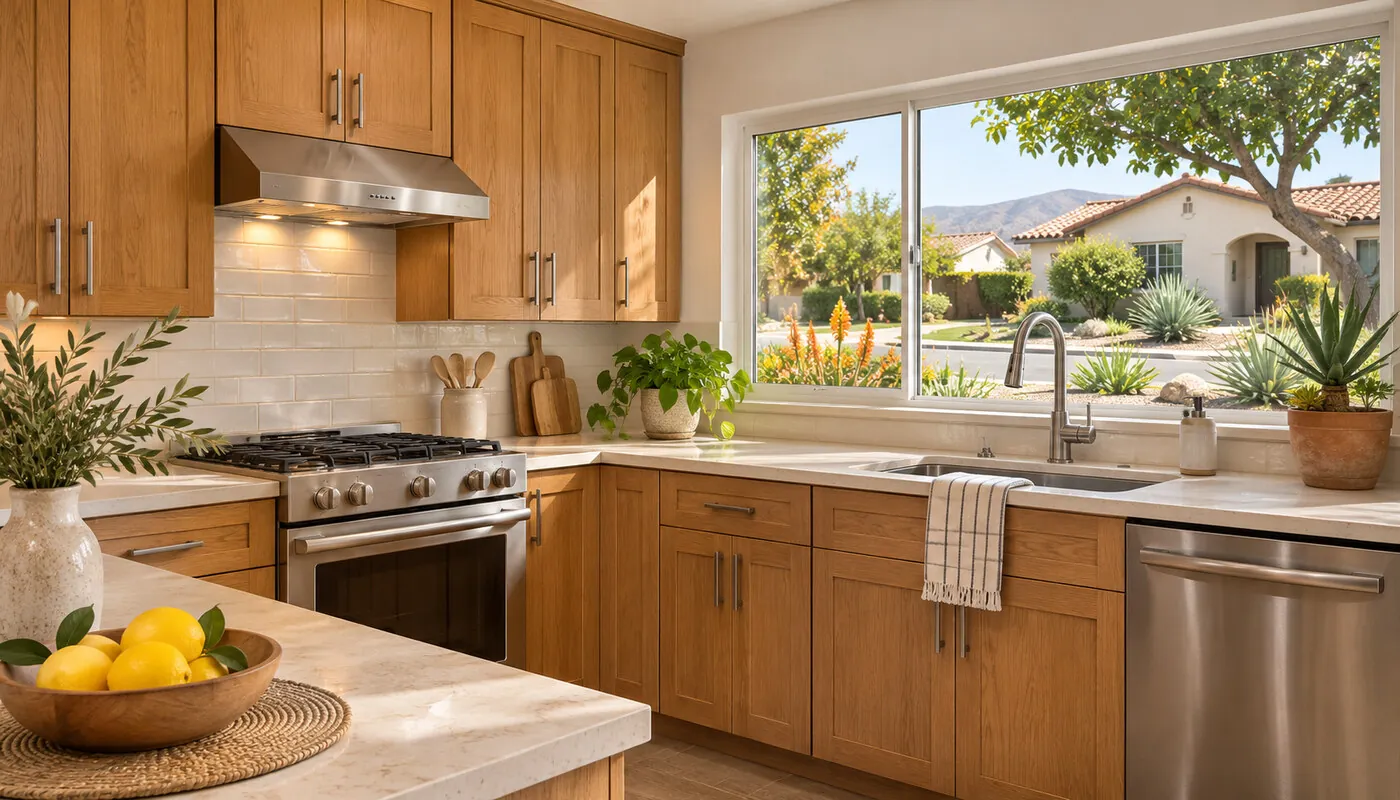
Since July 1, 2024, California requires extra disclosure from anyone who resells a one-to-four unit home within 18 months of buying it. Under Civil Code 1102.6h, the seller must tell the buyer about room additions, structural changes, alterations and repairs made since the purchase, name the contractors who did the larger jobs and hand over copies of any permits. Plan for this from the first day of a El Cerrito project. Keep every contract, invoice and permit card in one folder. Flippers who used licensed trades and pulled permits can fill out the form in minutes, and their buyers have fewer reasons to renegotiate.
How Flip Income Is Taxed
A flip is usually taxed less favorably than a long-term investment. Gains on property held a year or less are taxed as ordinary income at the federal level, and California does not have a lower capital gains rate at all. The IRS can also treat frequent flippers as being in the business of selling homes, which makes the profit business income and removes the option of deferring tax through a 1031 exchange. Keep clean records of every cost. A real estate CPA can tell you how your El Cerrito project should be held and reported.
More Investor Help in El Cerrito
- Buying rental property in El Cerrito
- Selling a El Cerrito house to an investor
- El Cerrito real estate and home values
Nearby Areas
Frequently Asked Questions
Is El Cerrito part of Corona?
It has Corona mailing addresses but is unincorporated. Riverside County governs permits and zoning.
What attracts buyers to El Cerrito?
Larger lots, room for vehicles and animals, and generally no HOA, close to Corona’s freeways and shopping.
Can Aimee represent me on both the purchase and the resale?
Yes. She works with investors on acquisitions and lists finished projects, which keeps the pricing plan consistent from the first offer to the final sale.
How long does a typical flip take in El Cerrito?
Light cosmetic projects can be bought, finished and resold in three to five months. Projects that need permits, structural work or HOA approval take longer. Build the timeline before you buy.
Looking for a Flip in El Cerrito?
Aimee Ghafouri is a real estate agent based in Temecula who grew up in Murrieta and works with buyers, sellers and investors across Riverside County. She can pull comparable sales and help you evaluate a project.
Aimee Ghafouri, 951 Properties, CAL DRE #02193341. This page is general information, not legal, tax or financial advice. Equal Housing Opportunity.