
Banning is one of the Pass area’s oldest cities, with early-1900s houses, postwar neighborhoods and the large Sun Lakes 55+ community. Aimee Ghafouri helps investors price Banning projects for local buyers. Call (951) 331-8453.
Short answer: Banning has many older, affordable homes that need work. Resale prices are moderate, so control costs. The city runs its own electric utility.

Older Homes Near Downtown
Houses around Ramsey Street and the central grid can be 70 to 100 years old. Expect foundation, wiring, plumbing and roof work, and check permits for additions. Finished homes sell to buyers looking for value compared with Beaumont.
Sun Lakes and Newer Building
Sun Lakes Country Club is a gated, age-restricted community where dated homes can be refreshed for 55+ buyers. New master-planned construction has also begun in the city, which gives buyers another choice and gives you fresh comparables.
How to Price a Fixer
Every flip is a subtraction problem. The finished value is set by what buyers recently paid for updated homes nearby. Take away the cost of the work, with a cushion for surprises behind the walls. Take away loan interest, property taxes, insurance and utilities for the holding period. Take away selling costs. The remainder has to cover both your purchase price and your profit. In Banning, the hard part is the first number, because one renovated sale on a better street can mislead you. Ask Aimee for closed comparable sales before you write an offer.
Where Flip Opportunities Come From
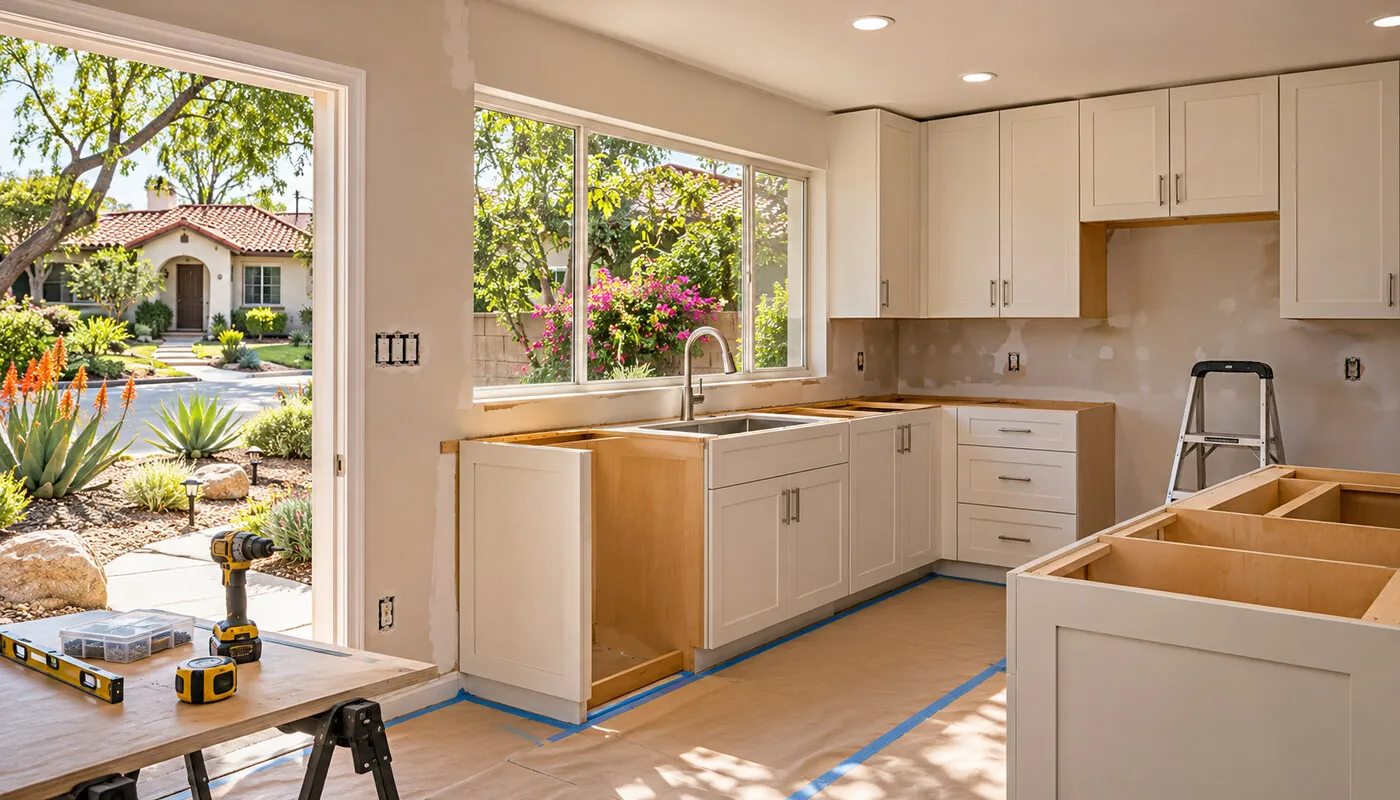
Fixers reach the market several ways. Some are listed on the MLS as needing work. Others come from probate and trust sales, where heirs want a clean sale of a dated home, from owners facing foreclosure, and from landlords selling a rental as-is. Trustee sales are another source, with their own risks: no inspection, payment in full and, on one-to-four unit homes, a post-sale period in which tenants and owner-occupant buyers may be able to outbid an investor. Aimee watches the Banning market for homes with the right gap between purchase price and finished value and can represent you on the purchase and the resale.
Working With the City on Permits
Renovation permits for homes inside Banning city limits are issued by the city. Ask the building counter for the permit record on the address before you remove contingencies. It shows what was built legally and what was not. Unpermitted additions can sometimes be legalized, but the city may require walls to be opened for inspection. As a rule, like-for-like cosmetic updates are exempt, while electrical, plumbing, mechanical, roofing and structural work needs a permit and a final inspection. A signed-off permit is also something you hand the next buyer under California’s flipper disclosure law.
Renovations That Pay
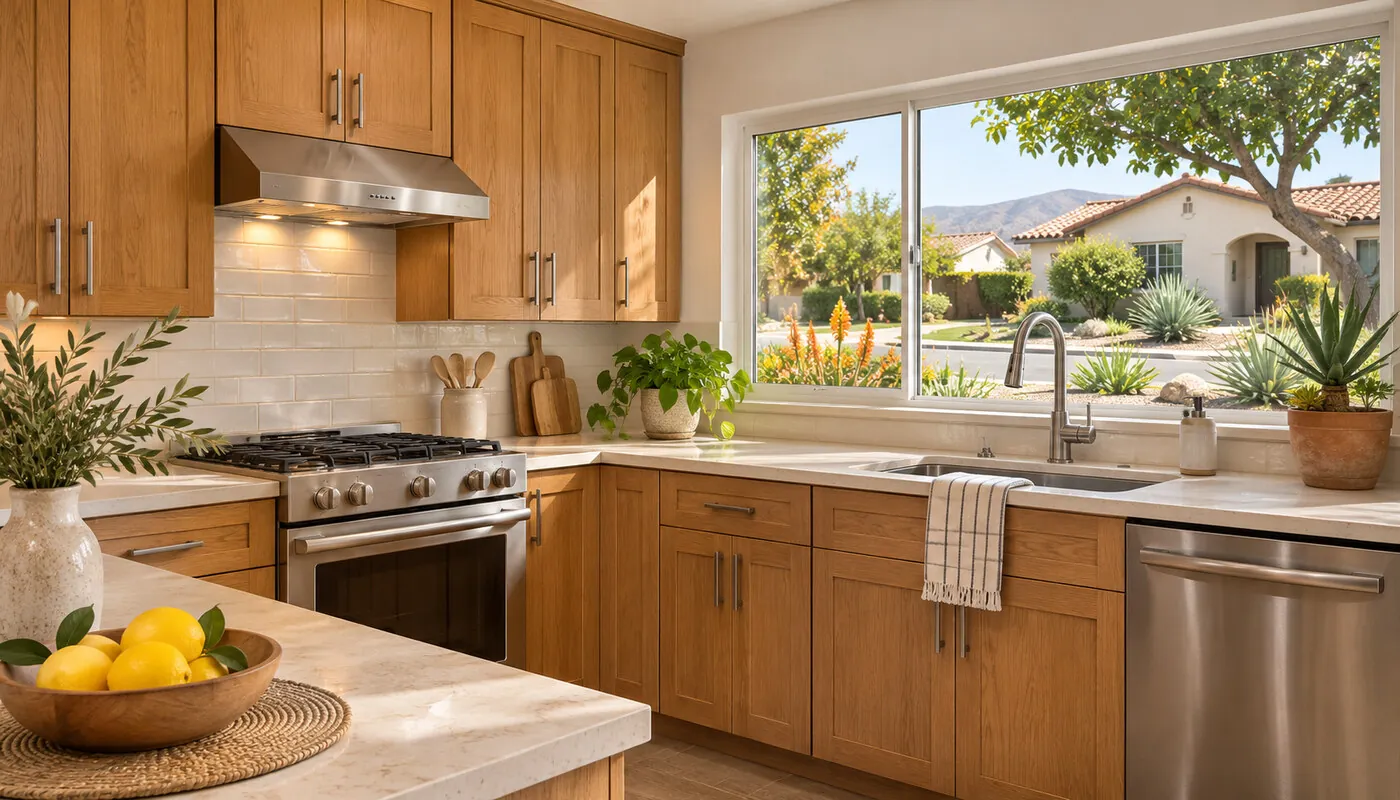
Buyers pay for homes that feel finished and worry-free. Kitchens, bathrooms, flooring, paint and lighting carry most of the visible value. In Riverside County’s heat, a working, efficient air conditioning system and a sound roof matter as much as countertops, and inspectors check both. Fix what a lender’s appraiser or a buyer’s inspector will flag: electrical hazards, leaks, damaged stucco and failed windows. Avoid improving past the ceiling for the street. A Banning home finished far above its neighbors rarely recovers the extra cost, while one that matches the best recent sale usually does.
What It Costs to Own the Home While You Work
Holding costs are quiet and constant. Property tax is reassessed to the purchase price, with a supplemental bill arriving months later. Vacant homes need a specific insurance policy. Power and water stay on for the crews. HOA dues and any Mello-Roos or assessment district charges keep running. Loan interest accrues daily. Then come resale costs: escrow, title, commissions and county transfer tax of $1.10 per $1,000. Build a month-by-month sheet for the Banning property before you buy and stress it by sixty days. If the profit disappears, the price is too high.
California’s Flipper Disclosure Rule
Since July 1, 2024, California requires extra disclosure from anyone who resells a one-to-four unit home within 18 months of buying it. Under Civil Code 1102.6h, the seller must tell the buyer about room additions, structural changes, alterations and repairs made since the purchase, name the contractors who did the larger jobs and hand over copies of any permits. Plan for this from the first day of a Banning project. Keep every contract, invoice and permit card in one folder. Flippers who used licensed trades and pulled permits can fill out the form in minutes, and their buyers have fewer reasons to renegotiate.
More Investor Help in Banning
- Buying rental property in Banning
- Selling a Banning house to an investor
- Banning real estate and home values
Nearby Areas
Frequently Asked Questions
Does Banning have its own electric utility?
Yes. The city provides electric service to most addresses instead of an investor-owned utility.
Are Banning homes cheaper than Beaumont’s?
Generally, yes, especially older homes. Resale prices are lower too, so budget accordingly.
Do I need a real estate license to flip houses in California?
No. You can buy and resell property you own without a license. You do need licensed contractors for most of the work, and you must give the next buyer the required disclosures.
How long does a typical flip take in Banning?
Light cosmetic projects can be bought, finished and resold in three to five months. Projects that need permits, structural work or HOA approval take longer. Build the timeline before you buy.
Looking for a Flip in Banning?
Aimee Ghafouri is a real estate agent based in Temecula who grew up in Murrieta and works with buyers, sellers and investors across Riverside County. She can pull comparable sales and help you evaluate a project.
Aimee Ghafouri, 951 Properties, CAL DRE #02193341. This page is general information, not legal, tax or financial advice. Equal Housing Opportunity.