
La Cresta is an estate community on the Santa Rosa Plateau west of Murrieta, with large homes on five acres or more. Aimee Ghafouri grew up in Murrieta and helps buyers understand the limits of La Cresta as a rental investment. Call (951) 331-8453.
Short answer: La Cresta estates rent for high figures to very few tenants. High carrying costs, fire insurance and association rules make it an appreciation play more than a cash-flow one.

Estate Rentals
Executives, people relocating and those building elsewhere sometimes lease estate homes, usually for a year or more. Marketing takes time and vacancies are costly. Equestrian facilities can broaden the appeal.
Costs and Rules
Owners pay for water, septic, propane, extensive landscaping and brush clearance. Insurance in this fire hazard zone is a significant expense. The property owners association has rules that may affect leasing, and nightly rentals would also require a county certificate.
Running the Numbers on a La Cresta Rental
Start with realistic rent, taken from homes that actually leased nearby, not from asking rents. Subtract property tax, which in Riverside County is typically a little over one percent of the purchase price plus any special assessments, then insurance, HOA dues, repairs, a vacancy allowance and management if you will not handle it yourself. What remains pays the mortgage, and what is left after that is cash flow. Many La Cresta purchases at current prices show thin cash flow in the first years and rely on loan paydown and appreciation. Aimee can pull lease comparables so the rent figure is grounded.

How Rental Purchases Are Financed
Expect to bring more cash to an investment purchase than to a primary residence. Down payments of 15 to 25 percent are typical, rates run higher and lenders look for several months of reserves. Investors with many properties or complex income sometimes use loans underwritten on the rent the property produces. An owner who will live in one unit of a duplex, triplex or fourplex can often use owner-occupant terms. Get pre-approved before writing offers. Sellers in La Cresta take investor offers more seriously when the financing is documented up front.
California’s Rent Cap and Who It Covers
The Tenant Protection Act, known as AB 1482, limits annual rent increases on covered housing to 5 percent plus the regional change in the cost of living, and never more than 10 percent. The figure resets each August 1. The law exempts housing built within the last 15 years. It also exempts single-family homes and condominiums owned by individuals, as opposed to corporations or real estate trusts, but only if the lease contains the required exemption notice. Apartments and most multi-unit buildings older than 15 years are covered. Confirm how a La Cresta property is classified before projecting rent growth.
Can It Be a Vacation Rental?
Sometimes, but verify before you buy. Short-term rental rules are local. Temecula prohibits them within the city. Riverside County requires a certificate in unincorporated communities and has set numeric caps in Wine Country and Idyllwild, with a lottery when certificates open up. Certificates and permits generally do not pass to a new owner. Homeowners associations can bar rentals shorter than 30 days. For a La Cresta address, ask the city or county planning department what is allowed today, and base your purchase numbers on long-term rent unless you have that answer in writing.
Rural Rentals: Septic, Wells and Insurance
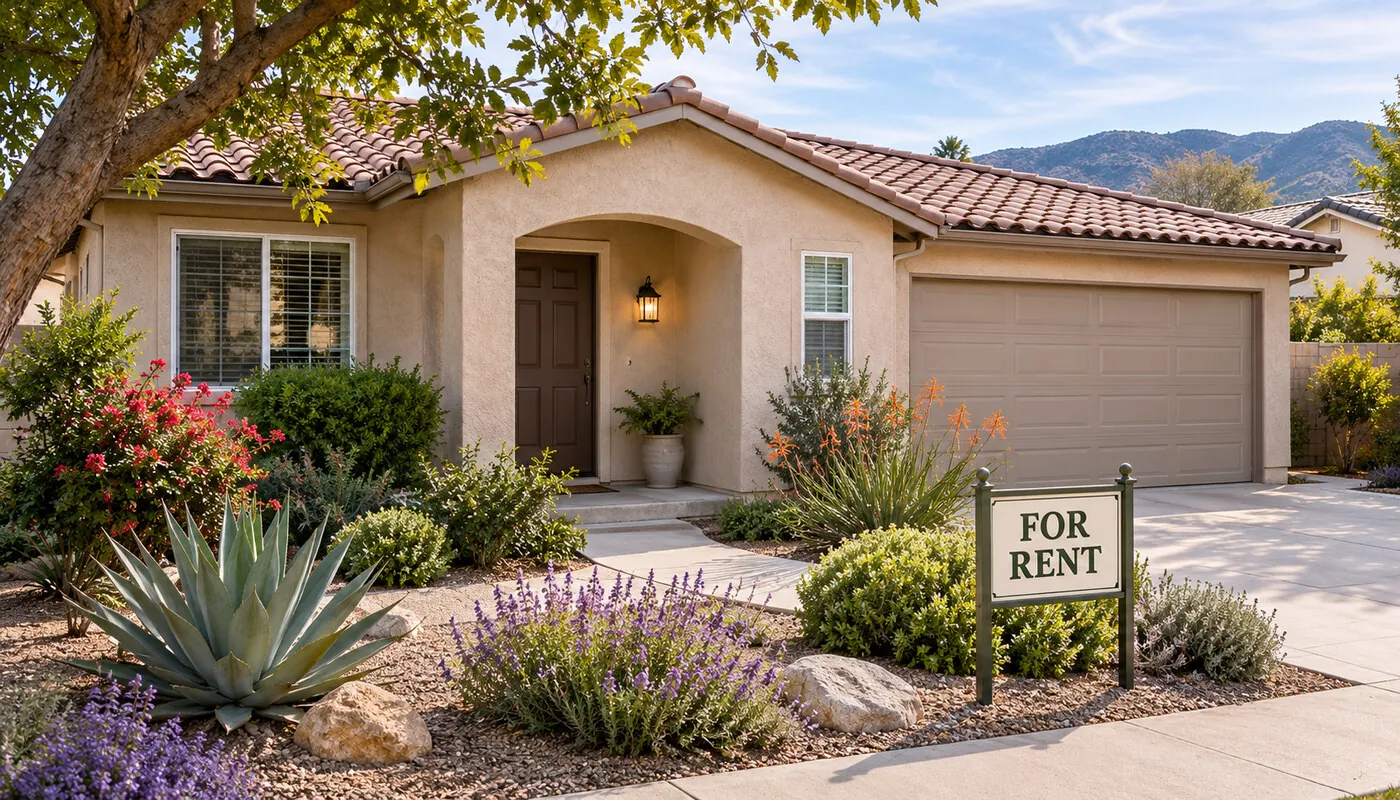
Rental property on acreage in La Cresta needs a different inspection list. Have the septic system pumped and inspected and the well tested for output and quality, since a landlord must keep both working. Ask an insurance broker for a landlord policy quote before removing contingencies. Homes in mapped fire hazard zones may be limited to the California FAIR Plan with a supplemental policy, at a higher premium. Manufactured homes need to be on a permanent foundation to qualify for most loans. Factor in longer vacancy periods, because fewer tenants look for rural homes.
Depreciation, Exchanges and Property Tax
Three tax rules shape most rental decisions. First, residential buildings are depreciated over 27.5 years, a deduction that lowers taxable income without costing cash. Second, an investor selling one rental can defer the gain by exchanging into another under Section 1031, subject to 45-day and 180-day deadlines. Third, California reassesses property at purchase and limits later increases in assessed value to two percent a year, which makes the holding cost predictable. Talk with a tax professional before buying or selling in La Cresta, since the right structure depends on your situation.
More Investor Help in La Cresta
- Fix-and-flip homes in La Cresta
- Selling a La Cresta house to an investor
- La Cresta real estate and home values
Nearby Areas
Frequently Asked Questions
Is La Cresta good for cash flow?
Rarely. Rents are high but so are prices and expenses. Most owners buy for lifestyle or long-term value.
Can La Cresta homes be vacation rentals?
That would require a county short-term rental certificate and compliance with association rules. Confirm both before assuming it is allowed.
How much do I need to put down on a rental property?
It depends on the lender and the property, but 15 to 25 percent is typical for an investment purchase. A lender can give you exact figures before you shop.
Can I buy a rental in La Cresta if I live out of the area?
Yes. Many owners do. Showings, inspections and signing can be handled remotely, and a local property manager can handle leasing and repairs after closing.
Thinking About a Rental in La Cresta?
Aimee Ghafouri is a real estate agent based in Temecula who grew up in Murrieta and works with buyers, sellers and investors across Riverside County. Ask her for lease comparables on any property you are considering.
Aimee Ghafouri, 951 Properties, CAL DRE #02193341. This page is general information, not legal, tax or financial advice. Equal Housing Opportunity.