
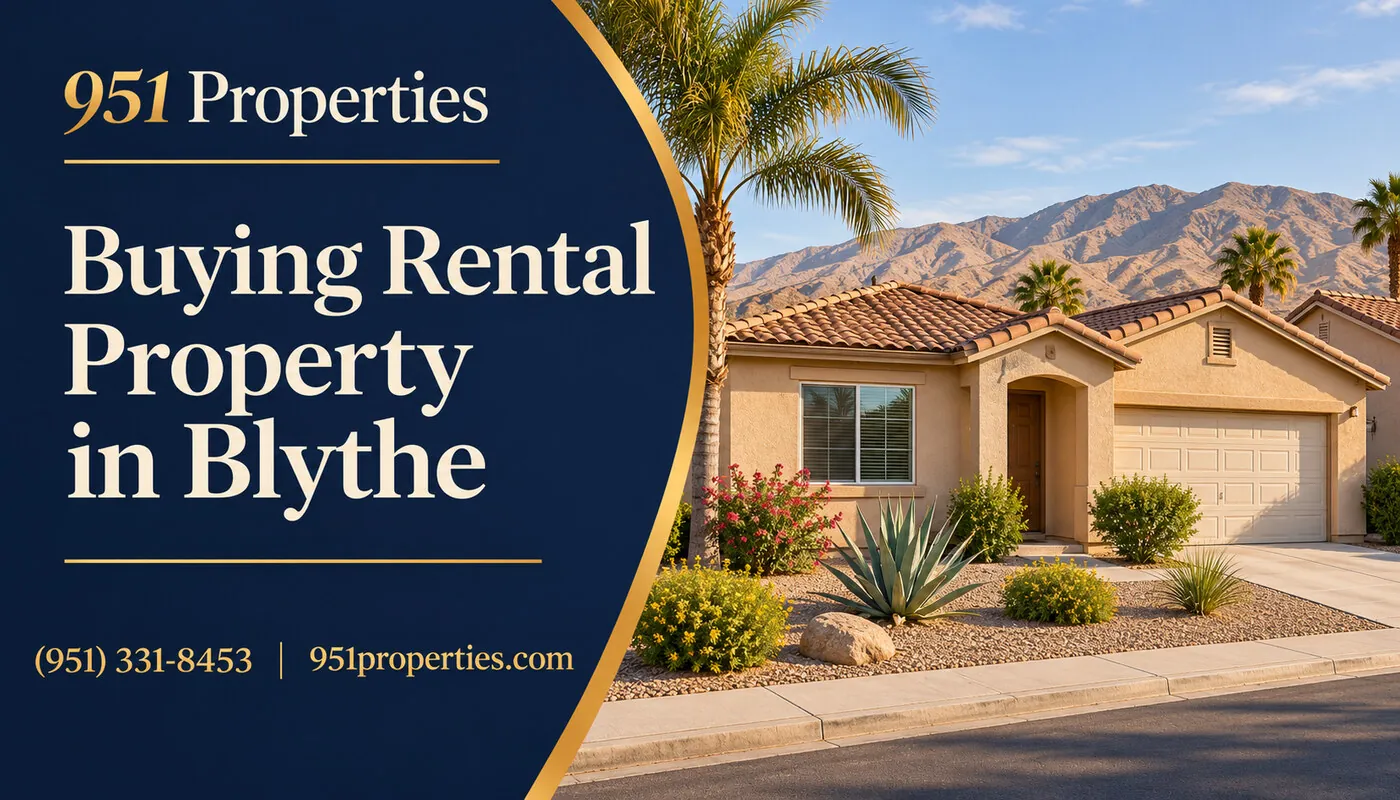
Blythe is a small city on the Colorado River at the Arizona border, far from the rest of Riverside County’s housing markets. Aimee Ghafouri helps investors understand its local economy before buying a rental there. Call (951) 331-8453.
Short answer: Blythe offers very low purchase prices and a rental market tied to agriculture, energy projects, public agencies and river recreation. Demand can shift with a single employer.
A Local Economy
Farming, solar and other energy projects, schools, the hospital and government agencies provide much of the area’s employment. Construction projects bring temporary workers who rent. Because the market is small, changes at one employer can move vacancy noticeably.
Owning From a Distance
Most outside investors need a local manager. Summer heat makes air conditioning a necessity and a frequent repair. Older homes need roofs, cooling and plumbing attention. Check any multi-unit property against the state rent cap and local rules.
Does the Property Pay for Itself?
A rental should be judged on its own income. Estimate rent from recently leased comparables in Blythe. List the fixed costs: property tax based on your purchase price, insurance, HOA dues and any Mello-Roos. Add an allowance for repairs and for the weeks between tenants, and a management fee if you plan to hire one. Compare the remainder with the loan payment. Run it again with rent five percent lower and one major repair. If the numbers still hold, the property has room for the surprises every landlord eventually meets.
Financing an Investment Property
Loans for rentals differ from loans for a home you live in. Lenders generally require a larger down payment, often 15 to 25 percent, charge a higher rate and want cash reserves. They may count part of the expected rent toward your income. Debt-service-coverage loans qualify the property on its rent instead of your tax returns, at a higher cost. Two-to-four unit properties can be bought with owner-occupied financing if you live in one unit. Speak with a lender before shopping in Blythe, since the terms you qualify for determine which properties make sense.
Rent Increase Limits
California caps rent increases on much of its rental housing. For covered units the yearly limit is 5 percent plus local inflation, with a ceiling of 10 percent, and the allowed percentage changes every August. Not every property is covered. Homes less than 15 years old are exempt, and so is a single-family house or condo owned by a person or family trust when the lease includes the notice the statute requires. Miss that notice and the exemption is lost. Before buying in Blythe, find out whether the property is covered and whether the current leases were written correctly.
Deposits, Appliances and Move-In Rules
Several recent state laws affect every new lease. Since July 1, 2024, security deposits are capped at one month of rent for most landlords, with a two-month allowance for certain small owners. Landlords must photograph the unit at move-in and again at move-out, before and after any repairs charged to the deposit. For leases signed, amended or extended on or after January 1, 2026, the unit must include a working stove and refrigerator. Build these into your Blythe budget and your lease paperwork, because mistakes with deposits are among the most common sources of landlord-tenant disputes.
Can It Be a Vacation Rental?
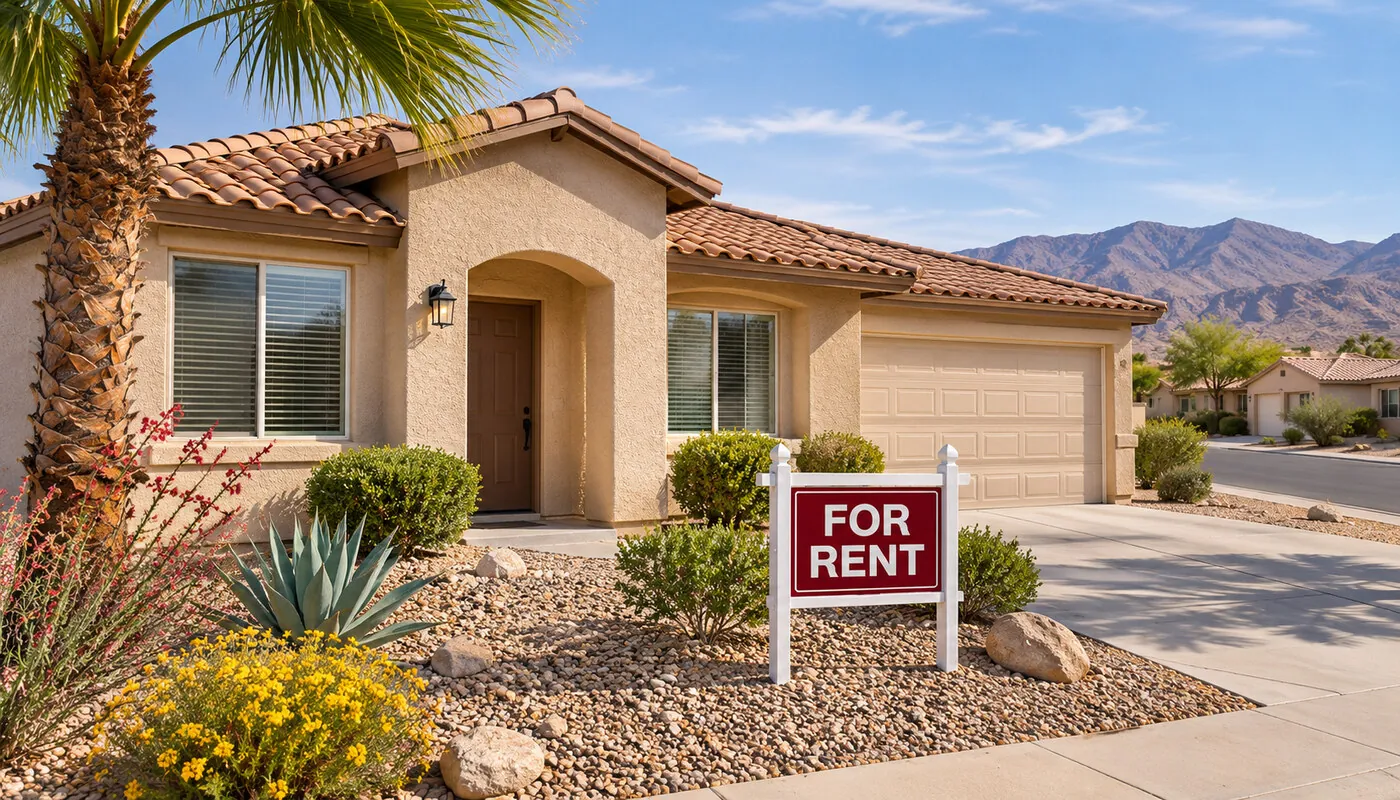
Sometimes, but verify before you buy. Short-term rental rules are local. Temecula prohibits them within the city. Riverside County requires a certificate in unincorporated communities and has set numeric caps in Wine Country and Idyllwild, with a lottery when certificates open up. Certificates and permits generally do not pass to a new owner. Homeowners associations can bar rentals shorter than 30 days. For a Blythe address, ask the city or county planning department what is allowed today, and base your purchase numbers on long-term rent unless you have that answer in writing.
Adding an Accessory Dwelling Unit
State law allows an accessory dwelling unit on most lots with a single-family home, and local agencies must approve qualifying plans without a discretionary hearing. A detached unit, a garage conversion or a junior unit inside the house can add a second rent to one property. Costs and utility connections vary widely, so price the work before counting the income. Homeowners associations cannot ban ADUs outright, though they may set reasonable design rules. Ask the permitting agency for Blythe about setbacks, parking and fees for the specific parcel.
More Investor Help in Blythe
Nearby Areas
Frequently Asked Questions
Why are Blythe homes so inexpensive?
The city is small and remote, with a limited economy. That keeps prices low and makes demand less predictable.
Do I need a property manager in Blythe?
If you live elsewhere, almost certainly. It is several hours from most of Southern California.
Should I buy a property that already has a tenant?
It can be a good start, since rent begins at closing. Review the lease, the payment history and the deposit, and get the terms confirmed by the tenant in writing.
How much do I need to put down on a rental property?
It depends on the lender and the property, but 15 to 25 percent is typical for an investment purchase. A lender can give you exact figures before you shop.
Thinking About a Rental in Blythe?
Aimee Ghafouri is a real estate agent based in Temecula who grew up in Murrieta and works with buyers, sellers and investors across Riverside County. Ask her for lease comparables on any property you are considering.
Aimee Ghafouri, 951 Properties, CAL DRE #02193341. This page is general information, not legal, tax or financial advice. Equal Housing Opportunity.