
Sage landowners often live elsewhere and have not seen the property in years. Aimee Ghafouri helps them understand what they have and who will buy it. Call (951) 331-8453.
Short answer: Most Sage sales are for cash, because remote acreage with unpermitted structures or no utilities cannot be financed. Clear title, access and cleanup affect price most.

A Cash Market
Lenders generally will not finance raw land or parcels with unpermitted dwellings, so buyers pay cash. They are investors, neighbors and people seeking a rural retreat. Offers vary widely, which makes multiple bids important.
Before You Sell
Confirm legal access and locate the corners if you can. Find out whether anyone is living on the land without permission, since that changes the sale. Debris, abandoned vehicles and illegal structures reduce offers. See our page on squatters on Sage property if needed.
How an Investor Offer Works
An investor buys with cash or private funds, takes the home in its present condition and does not need an appraisal or loan approval. That removes the two things that most often delay or sink a sale. Escrow can close in two to three weeks, sometimes sooner, or later if you need time to move. The price reflects what the investor expects to spend on repairs, holding and resale, plus profit, so it will be below what the same home would bring fully repaired on the open market. The useful question is how the net proceeds compare.

Comparing Your Options
Every Sage seller with a property in rough shape has three paths: sell as-is to an investor, list as-is on the open market, or repair and then list. The first is fastest. The third usually brings the highest price but requires cash and time. Listing as-is sits in between and often attracts several investors at once, which can push the price up. Ask for a net sheet for each path that shows the expected price, the costs and the timeline. Once the three bottom lines are on one page, the decision is usually clear.
How to Vet an Investor
Not everyone who mails a cash offer is the actual buyer. Some are wholesalers who sign a contract and then assign it to someone else for a fee. That can be fine, but you should know it. Ask who will take title and request proof of funds in that name. Require a meaningful deposit held by a licensed escrow company. Read the inspection and cancellation terms, since a long inspection period lets a buyer tie up the property and renegotiate later. Never sign a deed outside of escrow. An agent representing you can check these points before you sign.
Having an Agent on Your Side
An investor negotiates purchases every week, and most homeowners sell once or twice in a lifetime. An agent closes that gap. Aimee works with buyers, sellers and investors, so she knows what investors in Sage look for in homes of different conditions and which contract terms are standard. She can bring in more than one buyer, which tends to improve price and terms, and manage disclosures and escrow. She can also tell you plainly when a repair or a short open-market listing would likely put more money in your pocket than a quick sale.
Low-Cost Steps That Raise Offers
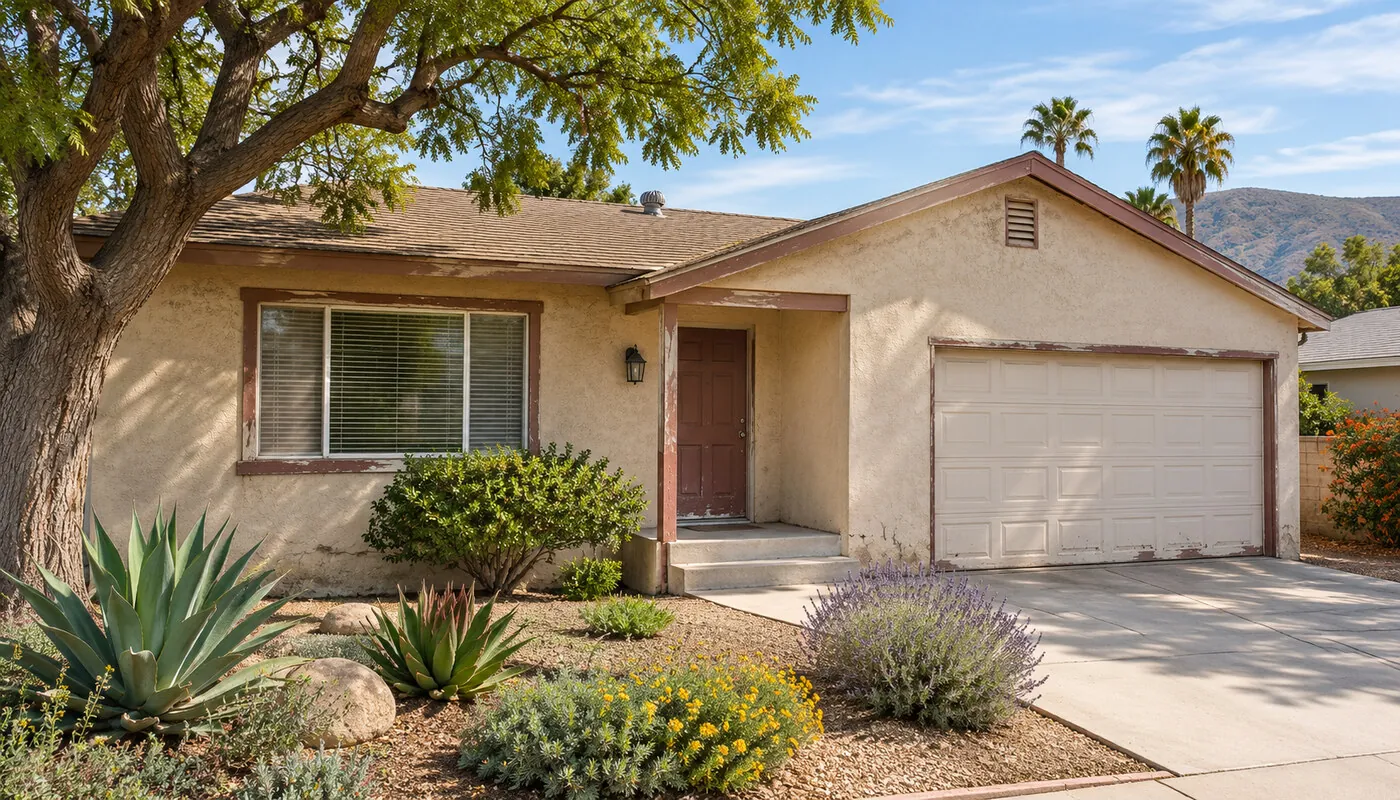
You do not need to renovate for an investor, but a few inexpensive steps can lift the price. Clear out belongings and debris so buyers can see floors, walls and the garage. Canyon Coast Cleanouts hauls furniture, appliances and full household contents in Riverside County. Cut back the yard. Gather documents an investor will ask for: the loan payoff, the tax bill, any permits, HOA contact information and utility details. A Sage home that is empty, accessible and documented gets firmer offers, because the buyer has fewer unknowns to price in.
From Offer to Closing
Here is how a cash sale usually unfolds. Day one, the contract is signed and escrow opens. In the first week the buyer inspects and the title company searches the record for liens, judgments and old loans. Problems found there, such as an unreleased lien or a deceased owner still on title, are the most common cause of delay, so mention anything you know early. In the following week or two, payoff demands arrive, you sign, and the sale records. Sellers in Sage who need a specific move-out date should write it into the offer.
More Seller Help in Sage
- Sage real estate and home values
- Selling a Sage house before foreclosure
- Selling an inherited or probate home in Sage
- Selling a house during divorce in Sage
- Selling a tenant-occupied home in Sage
Nearby Areas
Frequently Asked Questions
Can I sell Sage land I have never visited?
Yes. Have someone inspect it first so you know its condition and whether it is occupied.
Why are offers on rural land so different?
Buyers value access, water, terrain and legal status differently, and there are few comparable sales.
How fast can an investor close on my Sage house?
Two to three weeks is common when title is clear, and some close sooner. The date can also be set later if you need time to move.
Will I pay a commission if I sell to an investor?
That depends on how the sale is arranged. Ask for a net sheet that shows the price and every cost, so you can compare offers by what you actually receive.
Have an Investor Offer on a Sage Home?
Aimee Ghafouri is a real estate agent based in Temecula who grew up in Murrieta and is licensed throughout California. She can review the offer and show you what the open market would likely pay.
Aimee Ghafouri, 951 Properties, CAL DRE #02193341. This page is general information, not legal, tax or financial advice. Equal Housing Opportunity.