
Sage is a remote area of large parcels in the hills east of Temecula Wine Country and south of Hemet. Aimee Ghafouri helps investors understand why rental property there is unusual and what to verify first. Call (951) 331-8453.
Short answer: Sage is not a conventional rental market. Few tenants look there, many structures are unpermitted and off-grid systems complicate habitability and insurance.

Limited Demand
Distance from jobs and stores, along with unpaved roads, keeps the tenant pool very small. Owners who rent usually do so to people specifically seeking remote acreage, sometimes with animals. Expect long vacancies between tenants.
Legal and Practical Checks
A rental must be a permitted dwelling with safe water, power, heat and sanitation. Many Sage structures do not meet that standard. Confirm permits, well quality, septic and legal road access, and get an insurance quote, before considering a purchase as income property.
Running the Numbers on a Sage Rental
Start with realistic rent, taken from homes that actually leased nearby, not from asking rents. Subtract property tax, which in Riverside County is typically a little over one percent of the purchase price plus any special assessments, then insurance, HOA dues, repairs, a vacancy allowance and management if you will not handle it yourself. What remains pays the mortgage, and what is left after that is cash flow. Many Sage purchases at current prices show thin cash flow in the first years and rely on loan paydown and appreciation. Aimee can pull lease comparables so the rent figure is grounded.

Rent Increase Limits
California caps rent increases on much of its rental housing. For covered units the yearly limit is 5 percent plus local inflation, with a ceiling of 10 percent, and the allowed percentage changes every August. Not every property is covered. Homes less than 15 years old are exempt, and so is a single-family house or condo owned by a person or family trust when the lease includes the notice the statute requires. Miss that notice and the exemption is lost. Before buying in Sage, find out whether the property is covered and whether the current leases were written correctly.
Just Cause and Ending a Tenancy
On covered properties, once a tenant has generally lived in the unit for 12 months the owner needs a legally recognized reason to end the tenancy. At-fault reasons include unpaid rent and lease violations. No-fault reasons, such as an owner moving in or a substantial remodel, require relocation assistance equal to one month of rent, and rules that took effect in 2024 tightened what qualifies. If a case goes to court, the tenant has 10 court days to respond to an unlawful detainer complaint. 951 Evictions prepares notices and filings for landlords across Riverside County.
Can It Be a Vacation Rental?
Sometimes, but verify before you buy. Short-term rental rules are local. Temecula prohibits them within the city. Riverside County requires a certificate in unincorporated communities and has set numeric caps in Wine Country and Idyllwild, with a lottery when certificates open up. Certificates and permits generally do not pass to a new owner. Homeowners associations can bar rentals shorter than 30 days. For a Sage address, ask the city or county planning department what is allowed today, and base your purchase numbers on long-term rent unless you have that answer in writing.
Rural Rentals: Septic, Wells and Insurance
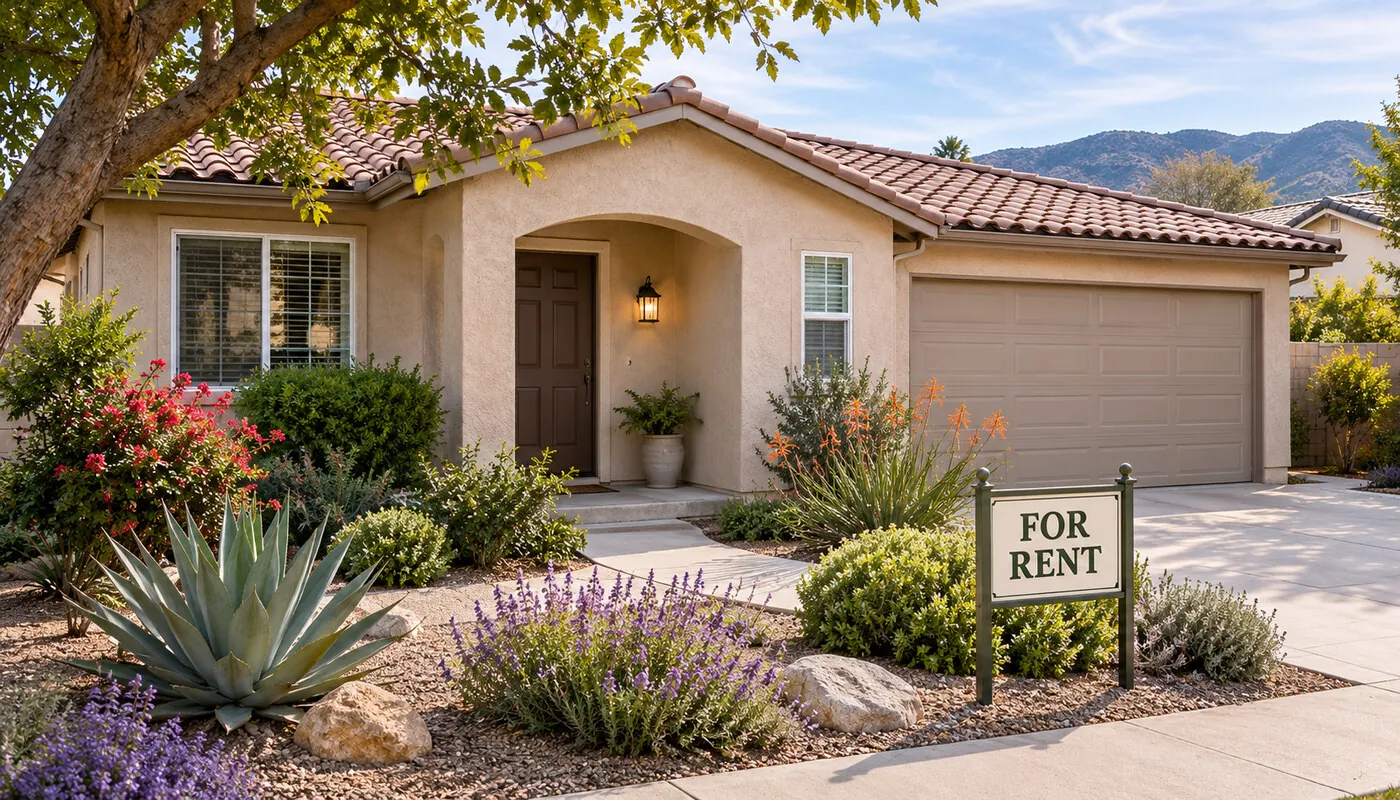
Rental property on acreage in Sage needs a different inspection list. Have the septic system pumped and inspected and the well tested for output and quality, since a landlord must keep both working. Ask an insurance broker for a landlord policy quote before removing contingencies. Homes in mapped fire hazard zones may be limited to the California FAIR Plan with a supplemental policy, at a higher premium. Manufactured homes need to be on a permanent foundation to qualify for most loans. Factor in longer vacancy periods, because fewer tenants look for rural homes.
Depreciation, Exchanges and Property Tax
Three tax rules shape most rental decisions. First, residential buildings are depreciated over 27.5 years, a deduction that lowers taxable income without costing cash. Second, an investor selling one rental can defer the gain by exchanging into another under Section 1031, subject to 45-day and 180-day deadlines. Third, California reassesses property at purchase and limits later increases in assessed value to two percent a year, which makes the holding cost predictable. Talk with a tax professional before buying or selling in Sage, since the right structure depends on your situation.
More Investor Help in Sage
Nearby Areas
Frequently Asked Questions
Can I rent out a cabin or trailer on Sage land?
Only a permitted dwelling that meets habitability standards can be rented legally. Many structures in the area do not qualify.
Is land in Sage a good investment?
It can hold long-term value for the right buyer, but it rarely produces dependable rental income.
Can I buy a rental in Sage if I live out of the area?
Yes. Many owners do. Showings, inspections and signing can be handled remotely, and a local property manager can handle leasing and repairs after closing.
How much do I need to put down on a rental property?
It depends on the lender and the property, but 15 to 25 percent is typical for an investment purchase. A lender can give you exact figures before you shop.
Thinking About a Rental in Sage?
Aimee Ghafouri is a real estate agent based in Temecula who grew up in Murrieta and works with buyers, sellers and investors across Riverside County. Ask her for lease comparables on any property you are considering.
Aimee Ghafouri, 951 Properties, CAL DRE #02193341. This page is general information, not legal, tax or financial advice. Equal Housing Opportunity.