
Indio is the Coachella Valley’s largest city by population and home to the Coachella and Stagecoach festivals at the Empire Polo Club. Aimee Ghafouri helps investors work across its older central neighborhoods and its newer gated communities. Call (951) 331-8453.
Short answer: Indio has older, affordable homes for traditional flips and newer homes that attract festival-rental buyers. Electric service from Imperial Irrigation District is a selling point.

Older Indio
Neighborhoods near downtown and along Highway 111 have homes from the 1950s through the 1970s at some of the lower prices in the valley. They need roofs, cooling, kitchens and baths. Buyers are often local households using FHA or VA loans.
Festival Area and Newer Communities
Homes with pools near the polo grounds draw buyers who plan to rent during festival weekends. Indio allows short-term rentals with a city permit and conditions, and many HOAs prohibit them. North Indio has large 55+ communities with their own rules.
Running the Numbers on a Indio Flip
Start with the after-repair value, which comes from recent sales of renovated homes in the same tract or within a few blocks. From that number subtract the renovation budget, holding costs for the months you expect to own it, both sets of closing costs and the profit you need. What is left is the most you can pay. Many investors use 70 percent of after-repair value minus repairs as a quick screen, but it is only a screen. Aimee pulls the comparable sales for any Indio address so the top-line number rests on closed sales, not on asking prices.
Working With the City on Permits
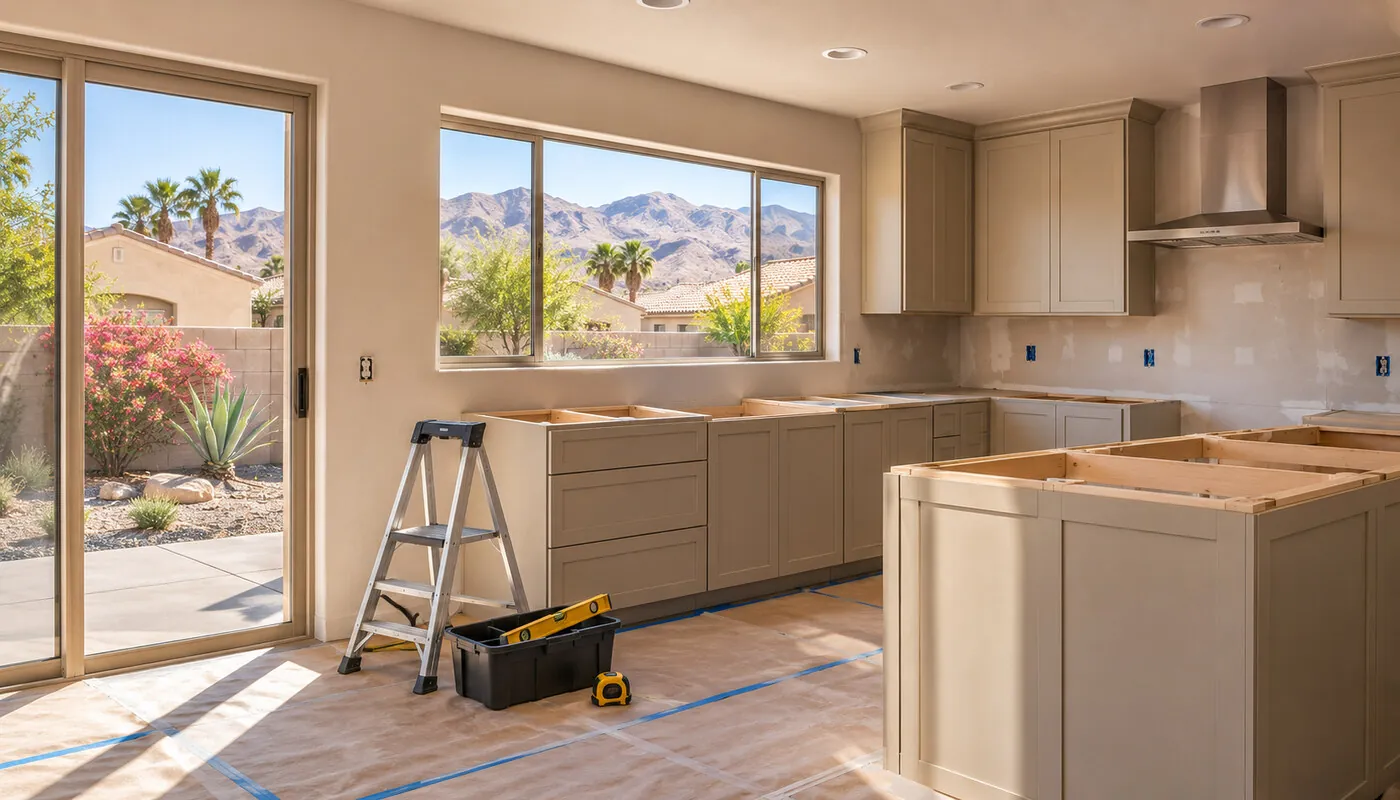
Renovation permits for homes inside Indio city limits are issued by the city. Ask the building counter for the permit record on the address before you remove contingencies. It shows what was built legally and what was not. Unpermitted additions can sometimes be legalized, but the city may require walls to be opened for inspection. As a rule, like-for-like cosmetic updates are exempt, while electrical, plumbing, mechanical, roofing and structural work needs a permit and a final inspection. A signed-off permit is also something you hand the next buyer under California’s flipper disclosure law.
Renovations That Pay
Buyers pay for homes that feel finished and worry-free. Kitchens, bathrooms, flooring, paint and lighting carry most of the visible value. In Riverside County’s heat, a working, efficient air conditioning system and a sound roof matter as much as countertops, and inspectors check both. Fix what a lender’s appraiser or a buyer’s inspector will flag: electrical hazards, leaks, damaged stucco and failed windows. Avoid improving past the ceiling for the street. A Indio home finished far above its neighbors rarely recovers the extra cost, while one that matches the best recent sale usually does.
Flipping Inside an HOA
A homeowners association adds steps to a Indio project. Request the governing documents and the architectural guidelines during the inspection period. Submit exterior plans early, because approval can take several weeks and work done without it can be ordered removed. Check for unpaid dues or violation notices in escrow. Budget for monthly dues and for any Mello-Roos charge on the tax bill while you hold the home. Newer tract neighborhoods also have many similar homes for sale at once, so compare your finished price against active listings as well as closed sales.

California’s Flipper Disclosure Rule
Since July 1, 2024, California requires extra disclosure from anyone who resells a one-to-four unit home within 18 months of buying it. Under Civil Code 1102.6h, the seller must tell the buyer about room additions, structural changes, alterations and repairs made since the purchase, name the contractors who did the larger jobs and hand over copies of any permits. Plan for this from the first day of a Indio project. Keep every contract, invoice and permit card in one folder. Flippers who used licensed trades and pulled permits can fill out the form in minutes, and their buyers have fewer reasons to renegotiate.
How Flip Income Is Taxed
A flip is usually taxed less favorably than a long-term investment. Gains on property held a year or less are taxed as ordinary income at the federal level, and California does not have a lower capital gains rate at all. The IRS can also treat frequent flippers as being in the business of selling homes, which makes the profit business income and removes the option of deferring tax through a 1031 exchange. Keep clean records of every cost. A real estate CPA can tell you how your Indio project should be held and reported.
More Investor Help in Indio
- Buying rental property in Indio
- Selling a Indio house to an investor
- Indio real estate and home values
Nearby Areas
Frequently Asked Questions
Does Indio allow short-term rentals?
Yes, with a city permit and compliance with its rules, where the HOA also allows it. Confirm current requirements with the city.
Who provides electricity in Indio?
Imperial Irrigation District serves Indio. Its rates have generally been lower than those in the western valley, which buyers notice.
Can Aimee represent me on both the purchase and the resale?
Yes. She works with investors on acquisitions and lists finished projects, which keeps the pricing plan consistent from the first offer to the final sale.
What is the 18-month flipper disclosure?
Sellers who resell a one-to-four unit home within 18 months of buying it must disclose the repairs and renovations they made, the contractors used on larger jobs and any permits obtained.
Looking for a Flip in Indio?
Aimee Ghafouri is a real estate agent based in Temecula who grew up in Murrieta and works with buyers, sellers and investors across Riverside County. She can pull comparable sales and help you evaluate a project.
Aimee Ghafouri, 951 Properties, CAL DRE #02193341. This page is general information, not legal, tax or financial advice. Equal Housing Opportunity.