
De Luz is the hilly, unincorporated area west of Temecula, known for avocado and citrus groves on large parcels reached by winding roads. Aimee Ghafouri helps investors understand what a De Luz project involves beyond the house. Call (951) 331-8453.
Short answer: De Luz flips involve acreage, groves, wells and long driveways. Budgets and timelines are larger than in town, and the buyer pool is narrower.

Groves, Water and Access
Many parcels have producing or abandoned groves. Irrigation water is a major cost, so know the water source, the district charges and whether trees are worth keeping. Roads are narrow and steep in places, which affects contractor access and delivery costs.
Homes on the Hills
Houses range from modest ranch homes to large custom builds. Check septic, well output where applicable, retaining walls and drainage. The area is fire-prone, so insurance quotes and defensible space work belong in the plan from the start.
How to Price a Fixer
Every flip is a subtraction problem. The finished value is set by what buyers recently paid for updated homes nearby. Take away the cost of the work, with a cushion for surprises behind the walls. Take away loan interest, property taxes, insurance and utilities for the holding period. Take away selling costs. The remainder has to cover both your purchase price and your profit. In De Luz, the hard part is the first number, because one renovated sale on a better street can mislead you. Ask Aimee for closed comparable sales before you write an offer.
Permits in Unincorporated De Luz
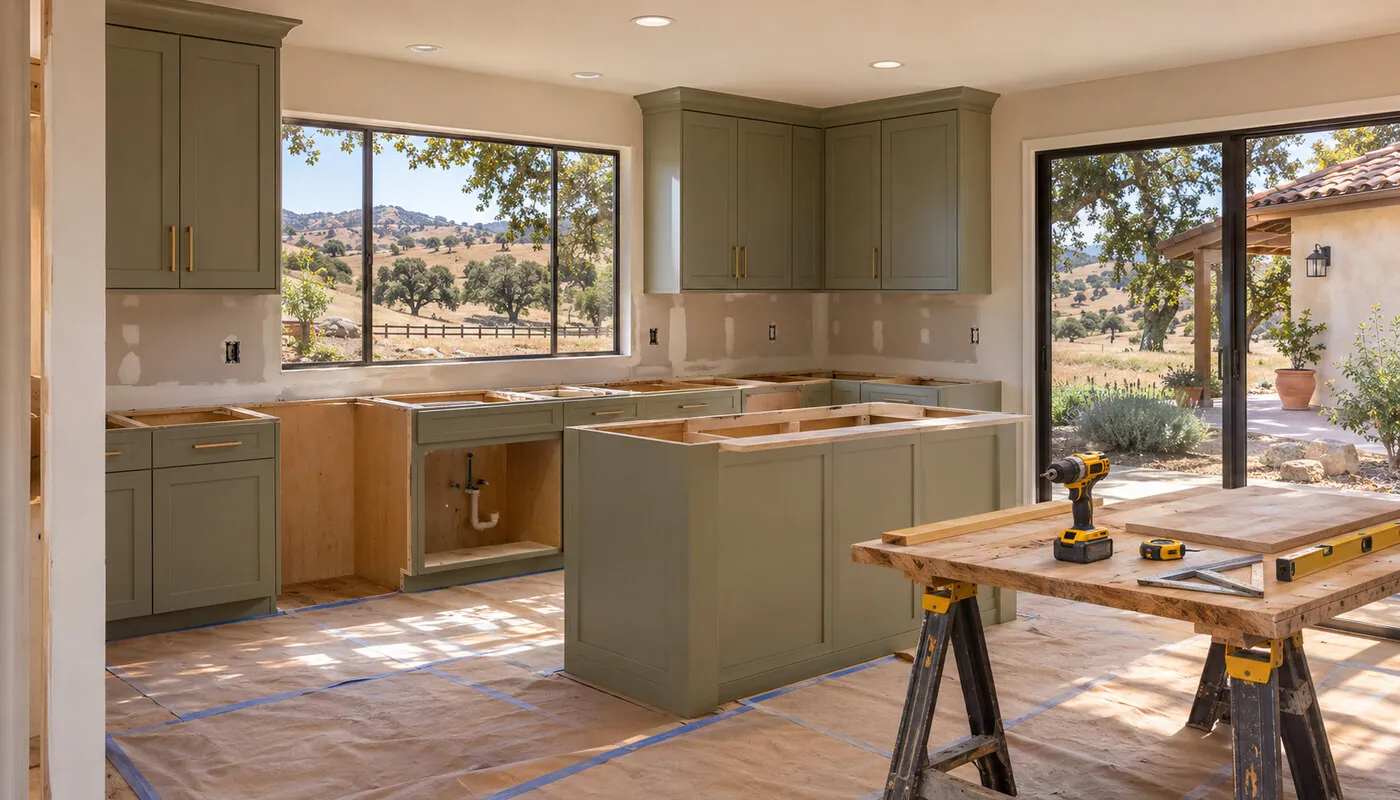
De Luz is an unincorporated community, so there is no city hall. Building permits and inspections go through Riverside County Building and Safety, and zoning questions go to the county planning department. Cosmetic work such as paint, flooring and cabinets generally needs no permit. Electrical, plumbing, mechanical, roofing and structural work generally does. Pull the county permit history on the address before closing. Outbuildings, converted garages and additions built without permits are common on older and rural parcels, and the new owner inherits them. Allow extra time for plan review on anything beyond like-for-like replacement.
Licensed Trades and Paper Trails
On a De Luz flip the contractor list matters twice: once for the quality of the work and again at resale, when the names go on the disclosure form. Any project of $1,000 or more, counting labor and materials, requires a state contractor’s license, as does any work that needs a permit. Verify each license and its bond on the Contractors State License Board site. Use written contracts, pay by progress and collect lien releases with each payment. Keep invoices and photos of work before the walls are closed. Buyers’ inspectors ask, and good records answer quickly.
Septic, Wells and Rural Systems
Many De Luz properties are not on sewer or a city water line. Order a septic inspection and pumping, and confirm the tank and leach field match the bedroom count you plan to market. For homes on a well, test flow and water quality. Check how the property is powered and heated, since propane is common. Confirm legal access if the road is private or unpaved. Lenders for the next buyer will ask about all of it. Much of this area also sits in a mapped fire hazard zone, which affects insurance cost and availability for you and for your buyer.
What You Must Disclose When You Resell
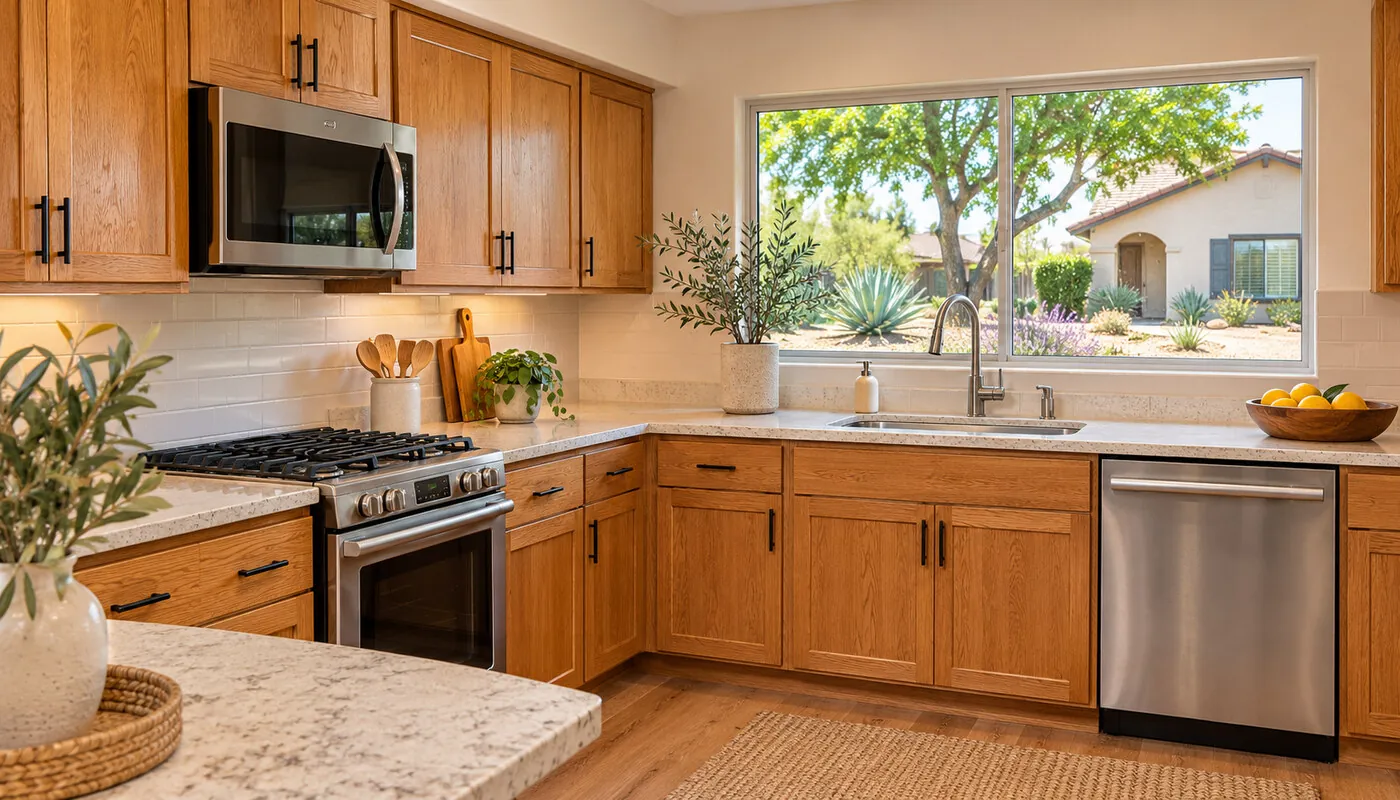
A flip is still a home sale, so the standard transfer disclosure statement and natural hazard report apply. On top of those, a law that took effect July 1, 2024 covers sellers who resell within 18 months of taking title. It requires a list of the repairs and renovations done during ownership, contact information for the contractors on the larger jobs and copies of permits. Buyers and their agents in De Luz now ask for this early. Work done without permits or by unlicensed crews has to be disclosed, which often costs more at resale than the permit would have.
Taxes on Flip Profits
Profit on a home bought and resold within a year is short-term gain, taxed at ordinary income rates by the IRS, and California taxes all gains as ordinary income regardless of holding period. Investors who flip regularly may be treated as dealers, which can add self-employment tax and rules out a 1031 exchange on that inventory. Entity choice, expense tracking and the timing of a sale all change the result. This is general information only. Talk with a CPA who works with real estate investors before your first De Luz project closes, not after.
More Investor Help in De Luz
- Buying rental property in De Luz
- Selling a De Luz house to an investor
- De Luz real estate and home values
Nearby Areas
Frequently Asked Questions
Are De Luz groves an asset or a cost?
It depends on tree health and water cost. A neglected grove can be expensive to restore or remove, so have it evaluated.
Who buys renovated homes in De Luz?
Buyers seeking privacy, views and land near Temecula. There are fewer of them than for tract homes, so allow more time.
What is the 18-month flipper disclosure?
Sellers who resell a one-to-four unit home within 18 months of buying it must disclose the repairs and renovations they made, the contractors used on larger jobs and any permits obtained.
Can Aimee represent me on both the purchase and the resale?
Yes. She works with investors on acquisitions and lists finished projects, which keeps the pricing plan consistent from the first offer to the final sale.
Looking for a Flip in De Luz?
Aimee Ghafouri is a real estate agent based in Temecula who grew up in Murrieta and works with buyers, sellers and investors across Riverside County. She can pull comparable sales and help you evaluate a project.
Aimee Ghafouri, 951 Properties, CAL DRE #02193341. This page is general information, not legal, tax or financial advice. Equal Housing Opportunity.